
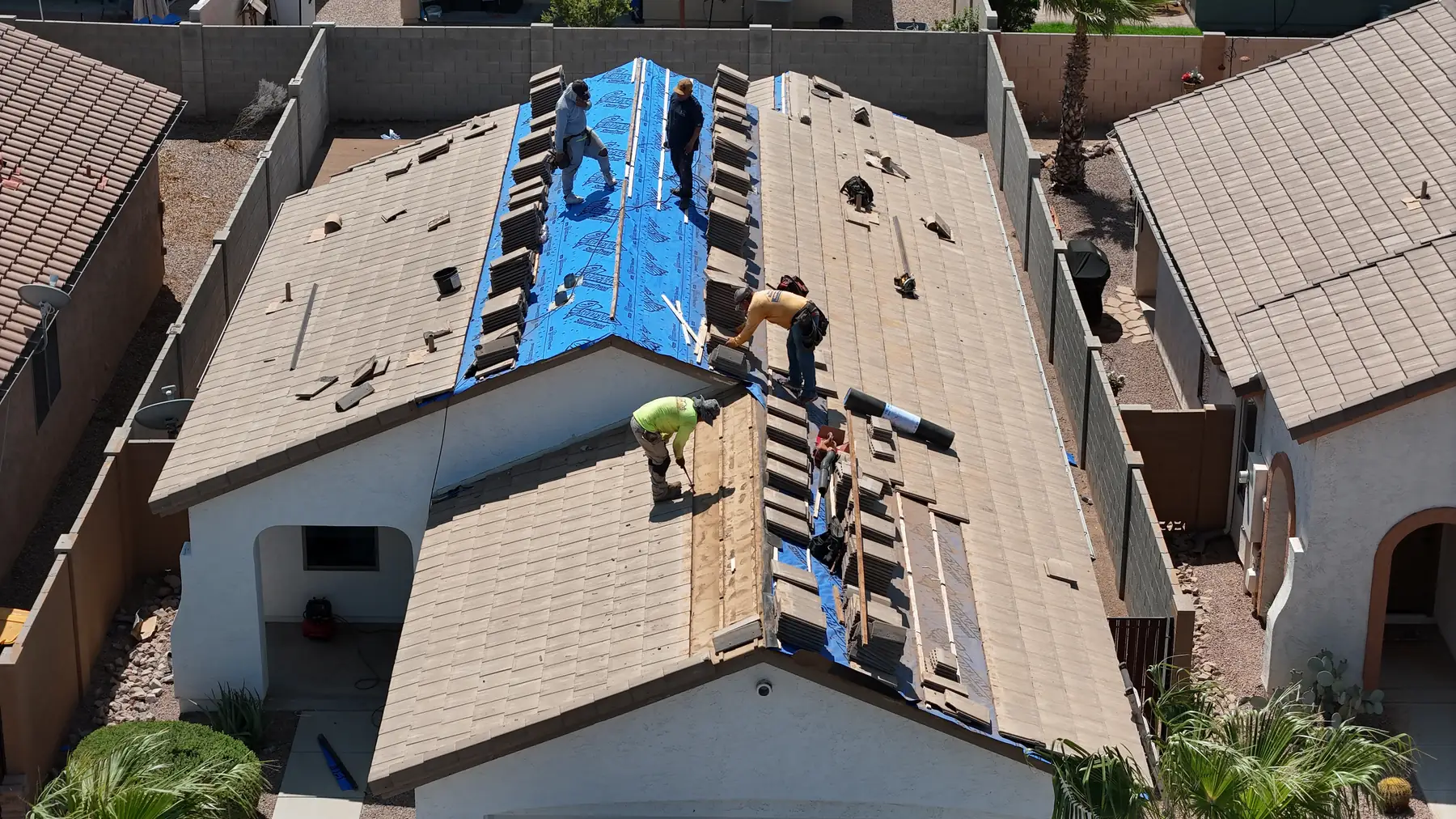
Roof work starts with what is underneath
— On the job
What Roofing Work Looks Like
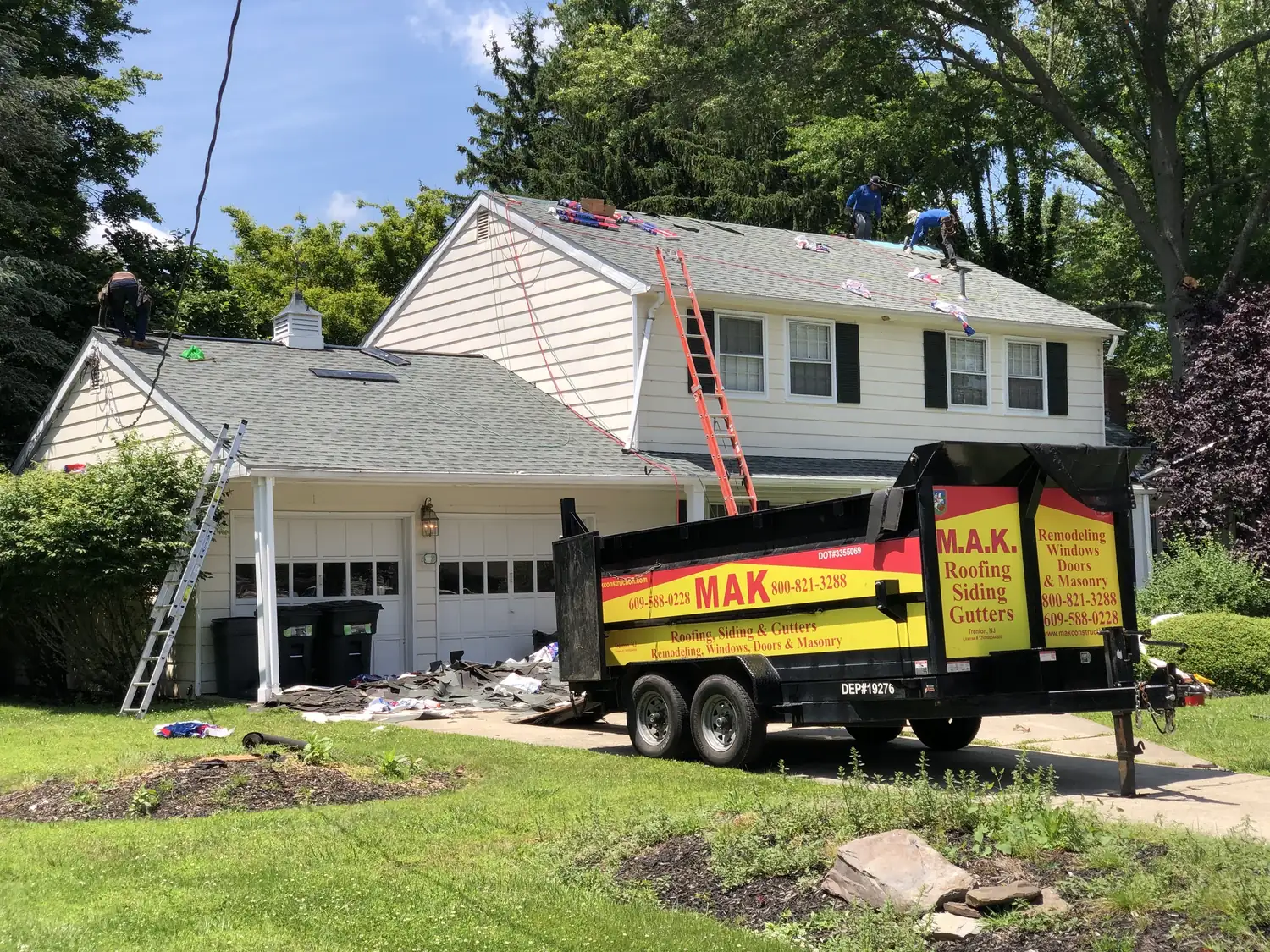
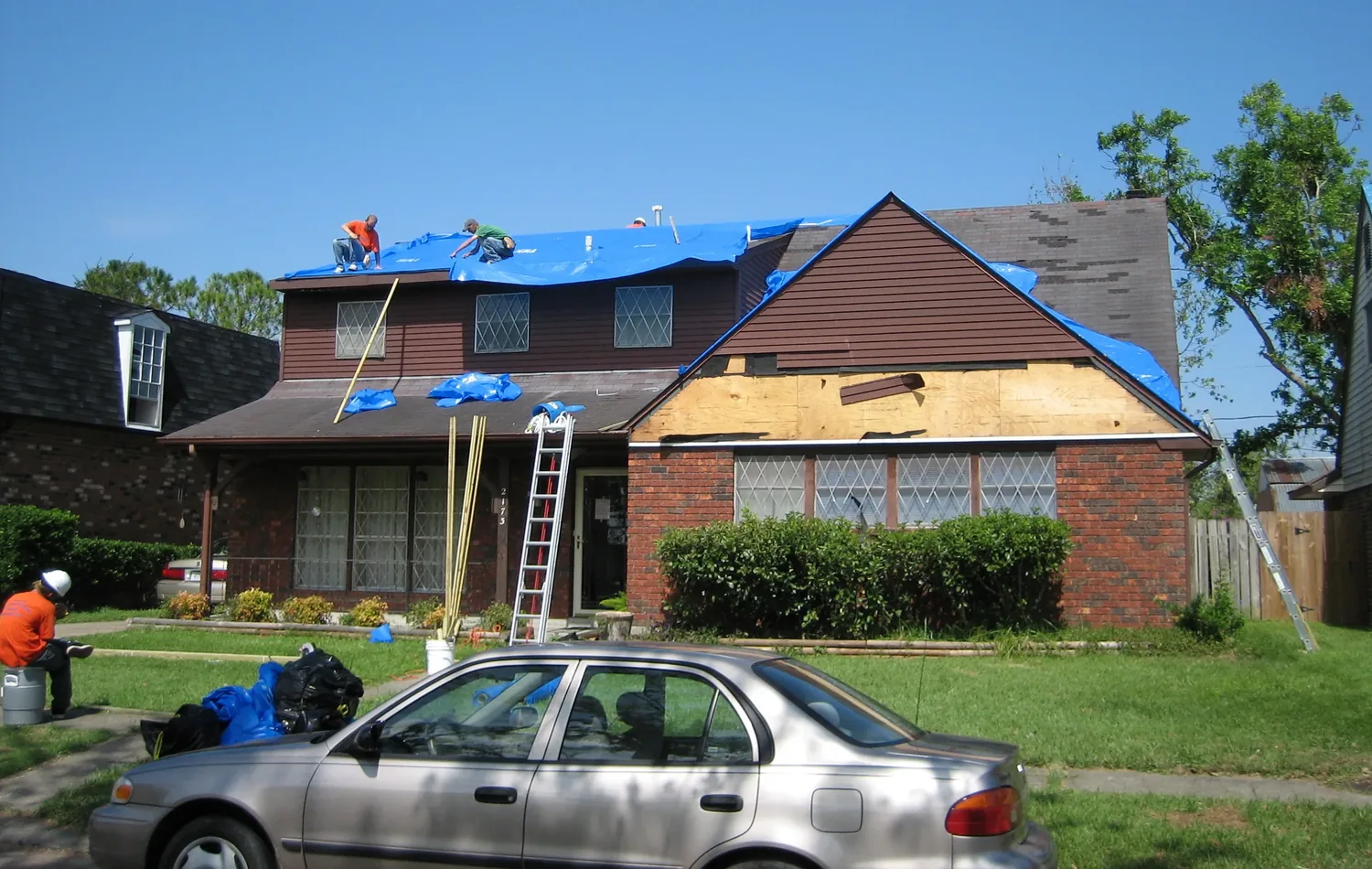
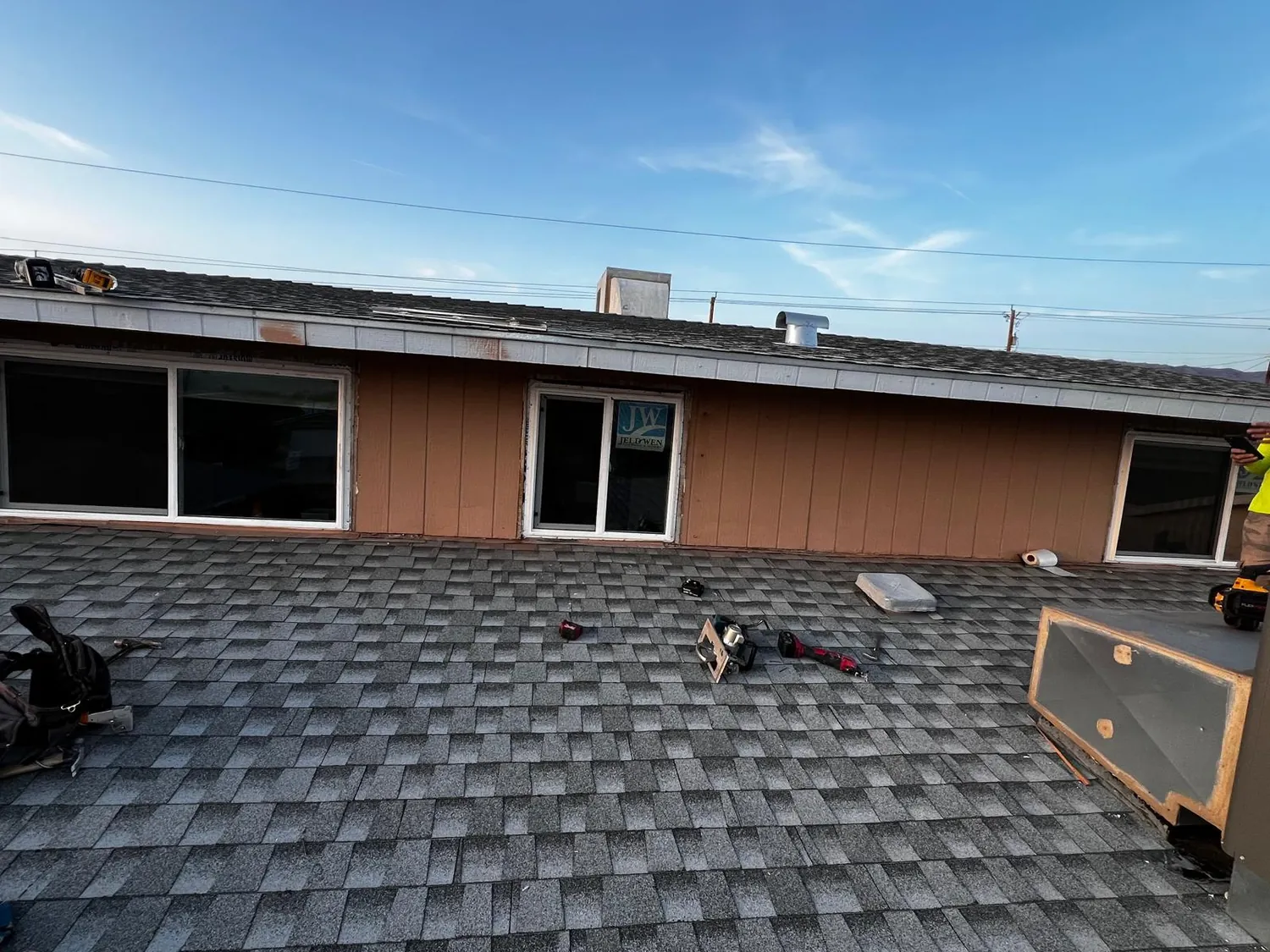
Photographs from Quest jobs, and where a stage of this trade is not in the camera roll yet, a licensed stock photograph marked as one.
— How it runs
How we approach Roofing
How we approach the work, from the first look to the final details.
Look beneath the surface
We establish which roof components need work before pricing the scope.
Plan the access and sequence
We account for permits, weather and any solar company coordination.
Work in sections
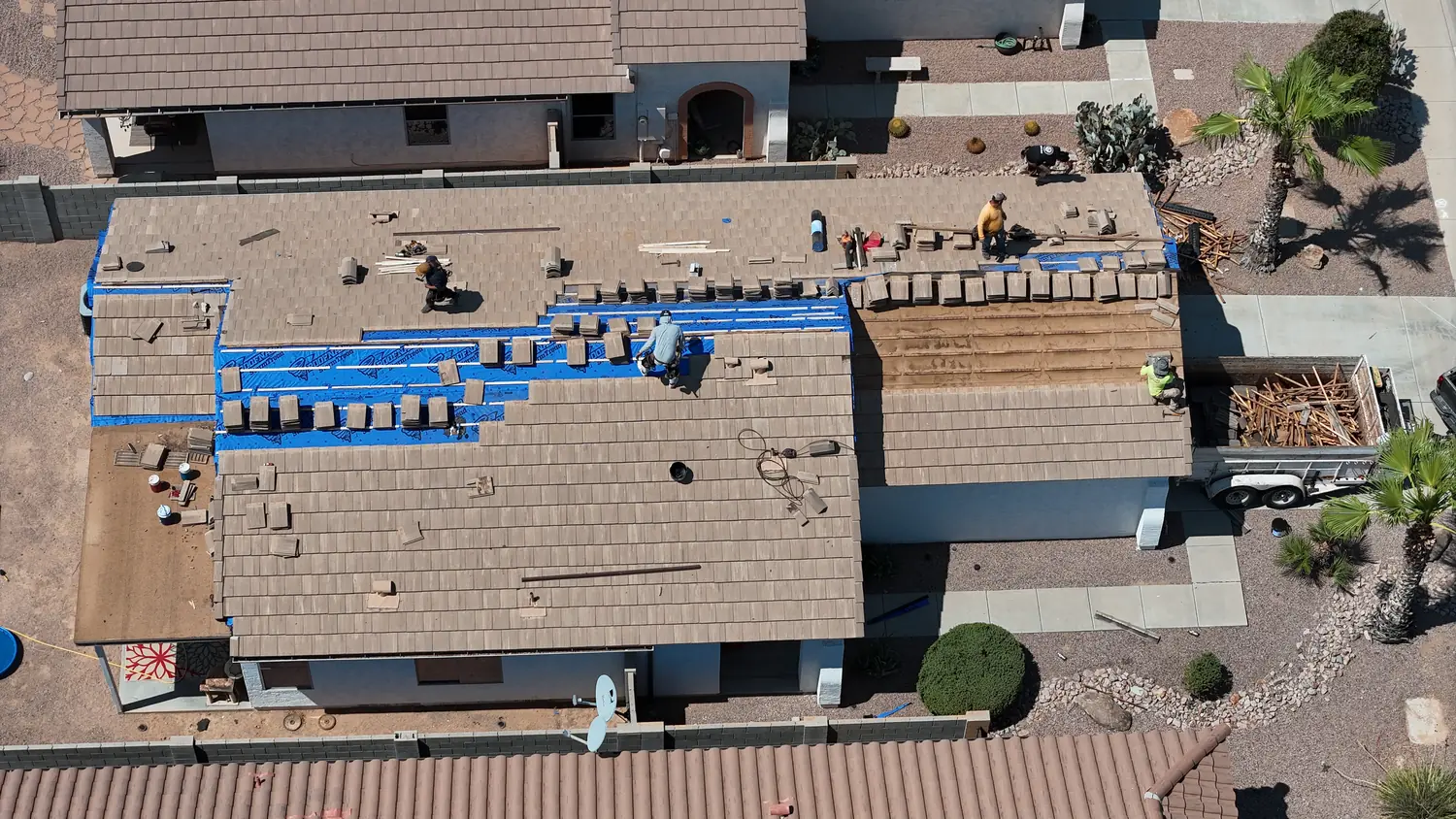
We sequence the tear-off so the opened area can be made weathertight the same day.
Review the roof work
We check the completed work and walk you through the agreed scope.
Find the part of the roof that needs work
A tile roof can look sound from the street while the underlayment beneath it needs replacing. We look at the components separately so the quote reflects what needs work, rather than treating every roof problem as a full replacement.
If there are solar panels, we coordinate their removal and reinstatement with the solar company. During the work, we open the roof in sections that can be made weathertight the same day. The weather is part of the plan.
What we account for
Tile and underlayment assessed as separate components.
The scope based on what is actually worn out.
Solar removal and reinstatement coordinated where needed.
Tear-off sequenced around making the roof weathertight.
— FAQs
Roofing Services FAQ
Addressing your roofing questions and concerns.
Do I need a new roof or just new underlayment?
On a tile roof, usually the second. Concrete tile routinely outlasts the felt underlayment beneath it by decades, so a roof that looks sound from the street can be sitting on underlayment at the end of its service life. The proper job is a relay: lift and stack the tile, strip and replace the underlayment, re-lay the same tile and replace only what broke in handling. It costs a fraction of a full replacement, and anyone quoting you a whole new roof without lifting a tile to look has not established which you need.
How long does a roof last in Arizona?
It depends far more on the component than on the roof as a whole. Concrete tile itself can last decades beyond the underlayment under it. Low-slope foam and coated systems need periodic recoating rather than replacement. Asphalt shingle takes the ultraviolet exposure here harder than in milder climates. We tell you which component is actually at the end of its life rather than pricing everything at once.
Do I need a permit to replace a roof?
In most jurisdictions we work in, yes — a reroof is its own permit. Which body issues it depends on where you are: the city in an incorporated area, Maricopa County in unincorporated Sun City, Sun City West or Anthem, and Pinal County for parts of the south-east. Sun City also requires a separate Sun City Fire District permit for fire and life safety alongside the county's. We file before anything comes off the roof.
Can you work around my solar panels?
Yes, and it is increasingly common. Panels added years after the roof went on are frequently the source of a leak, because the mounts were cut into a roof that was never detailed for them. Working around an array means removal and reinstatement coordinated with the solar company, which adds time and needs planning rather than being discovered mid-job.
What does monsoon season mean for a reroof?
It means a roof should not be opened up further than can be made weathertight the same day. We sequence tear-off in sections rather than stripping an entire roof and hoping, and we watch the forecast rather than the calendar. A contractor who leaves your roof open overnight in August is taking a risk with your house, not theirs.
— By city
Roofing Where You Are
What changes about roofing city by city, written for each one.
— From the build log
Reading on Roofing
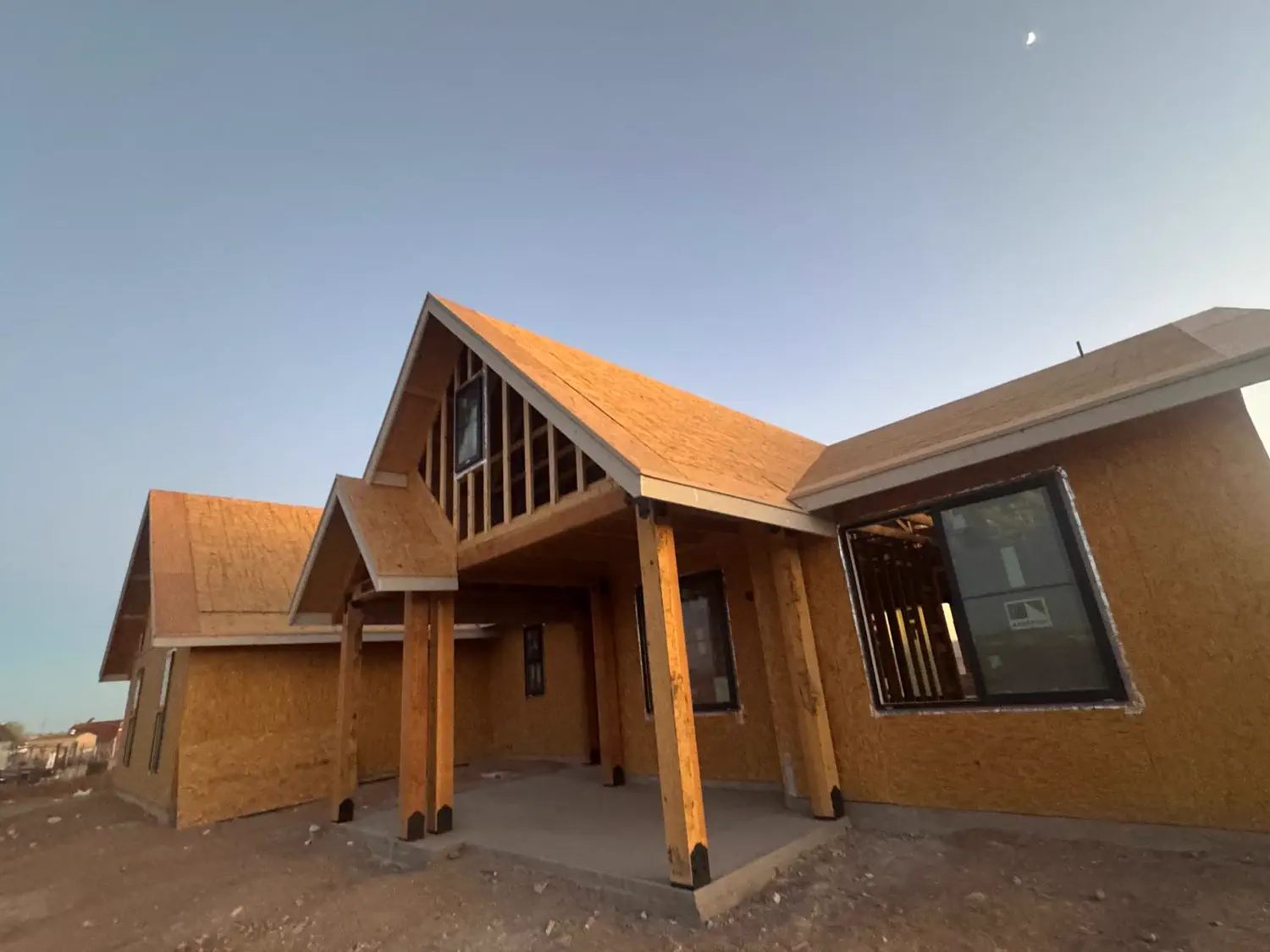
Tell us what is happening with your roof
A leak, worn underlayment or a roof ready for replacement? Tell us what you are seeing and where the property is.