
Decks planned for Arizona outdoor living
Composite decking on the Trex system, built for Arizona sun — and designed with the shade over it rather than added two summers later.
— On the job
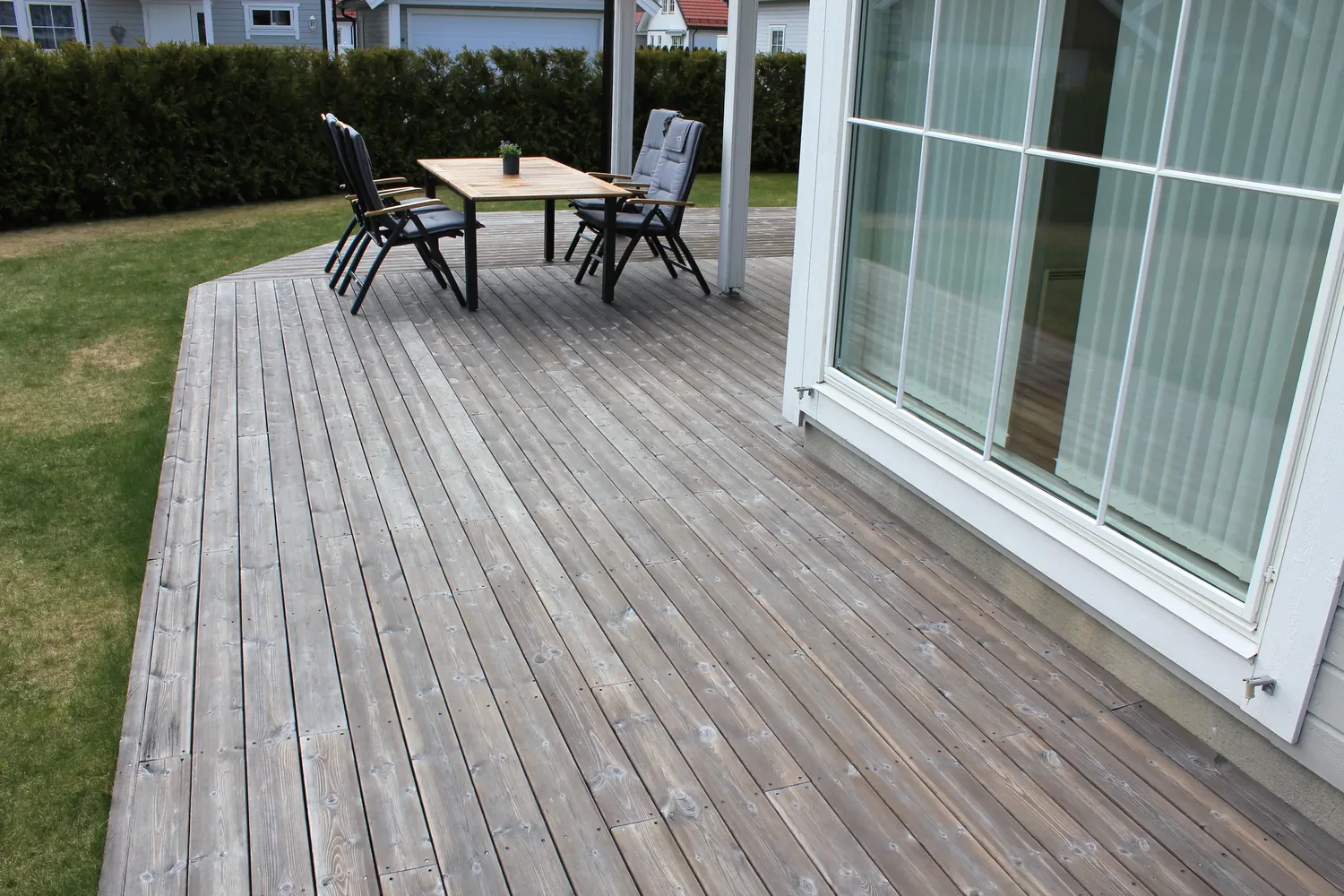
What Deck Building Work Looks Like
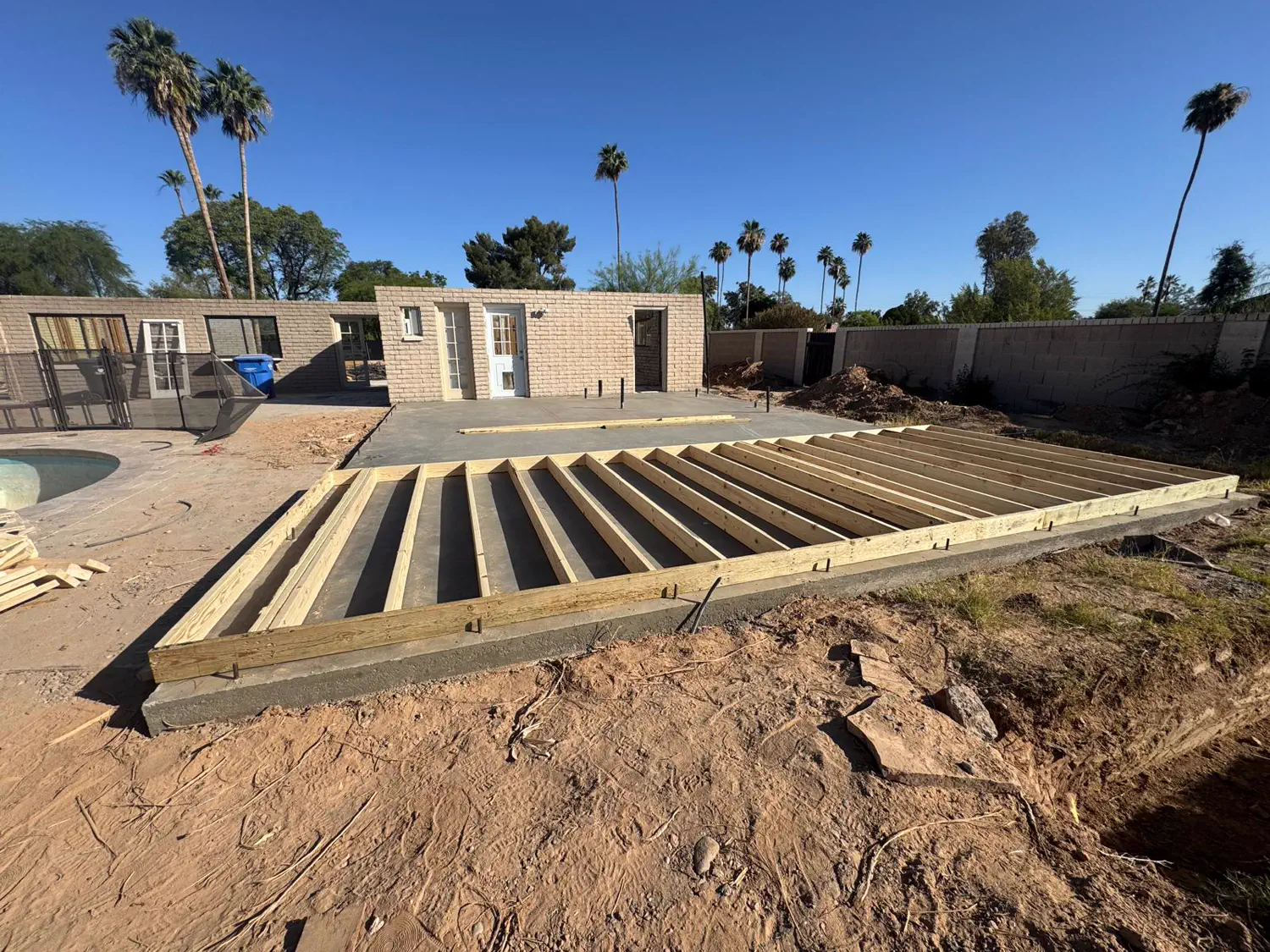
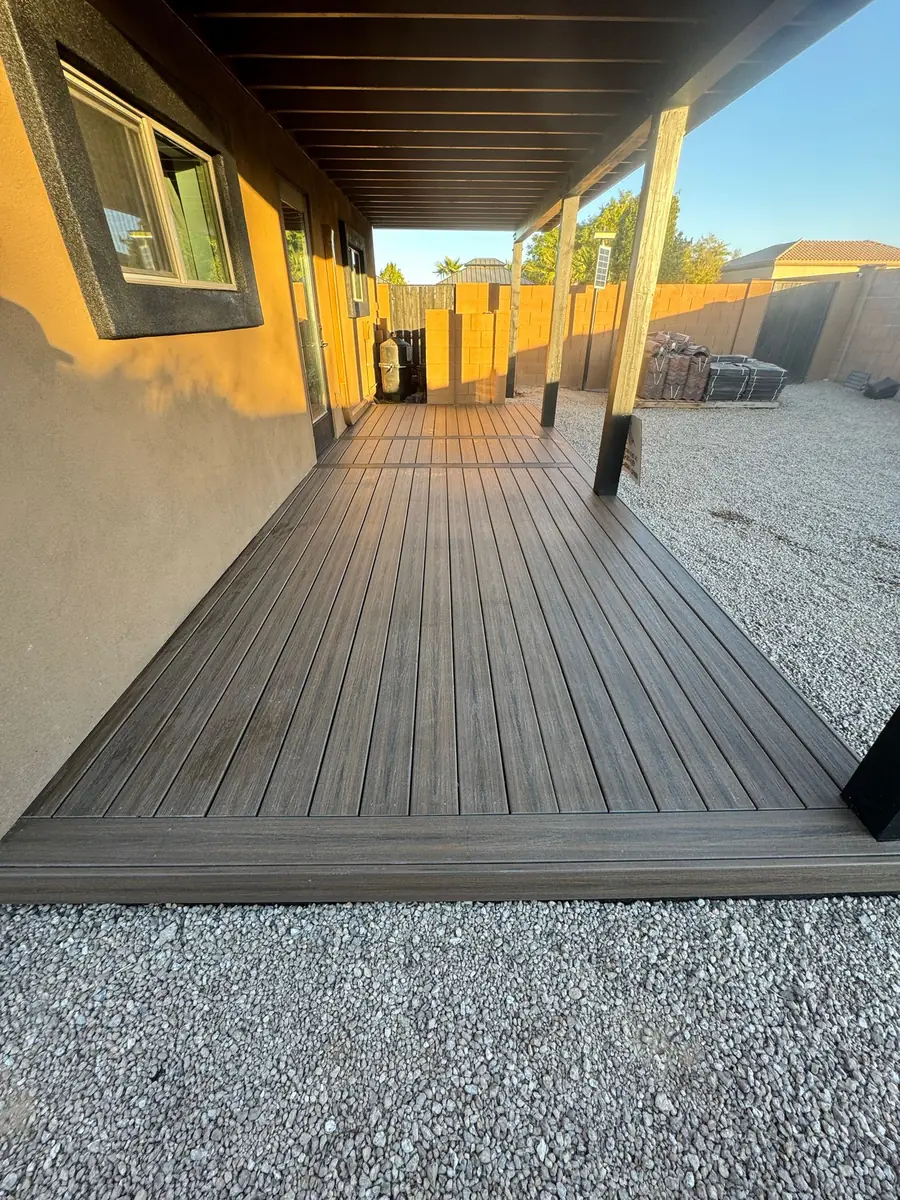
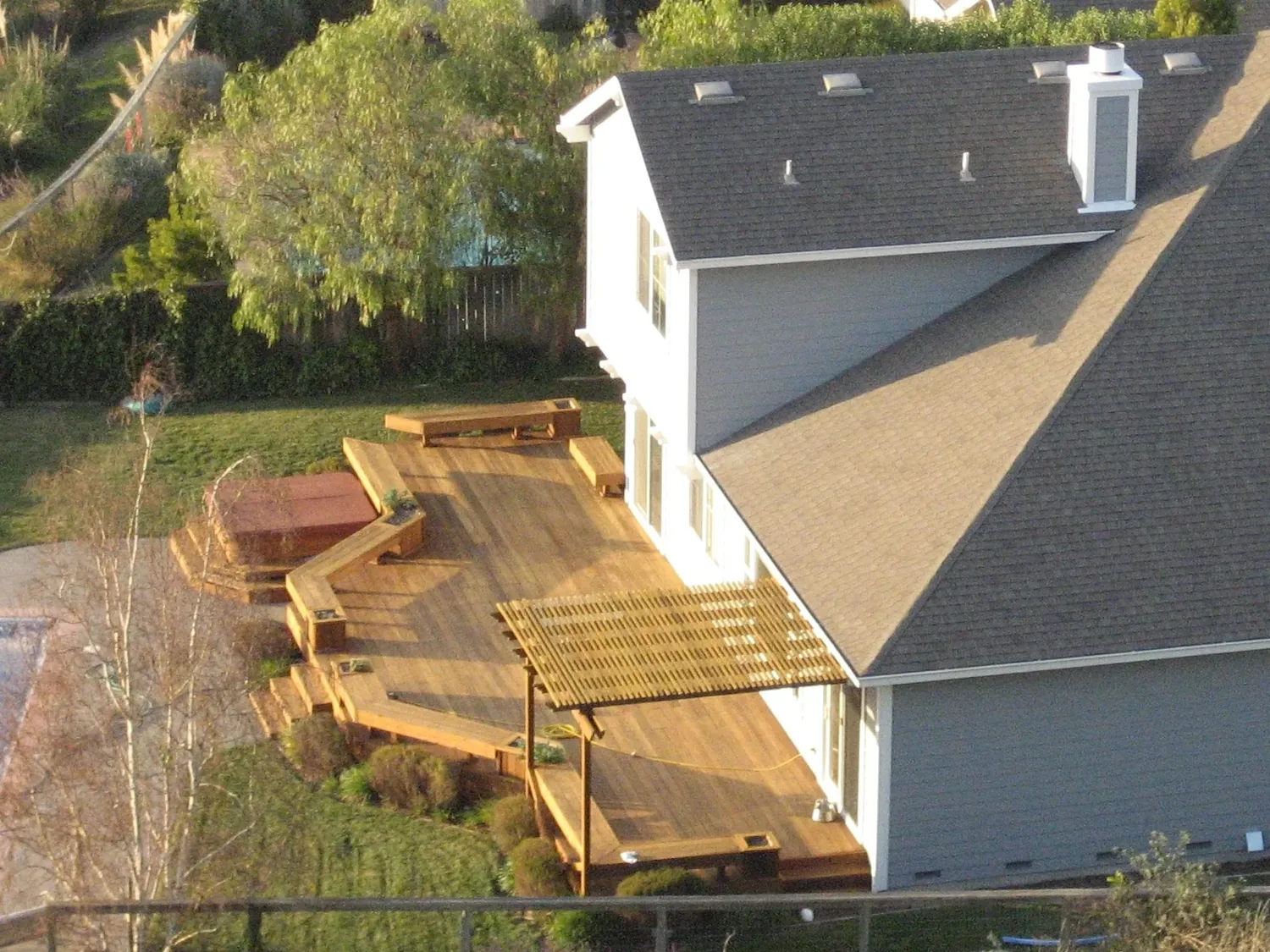
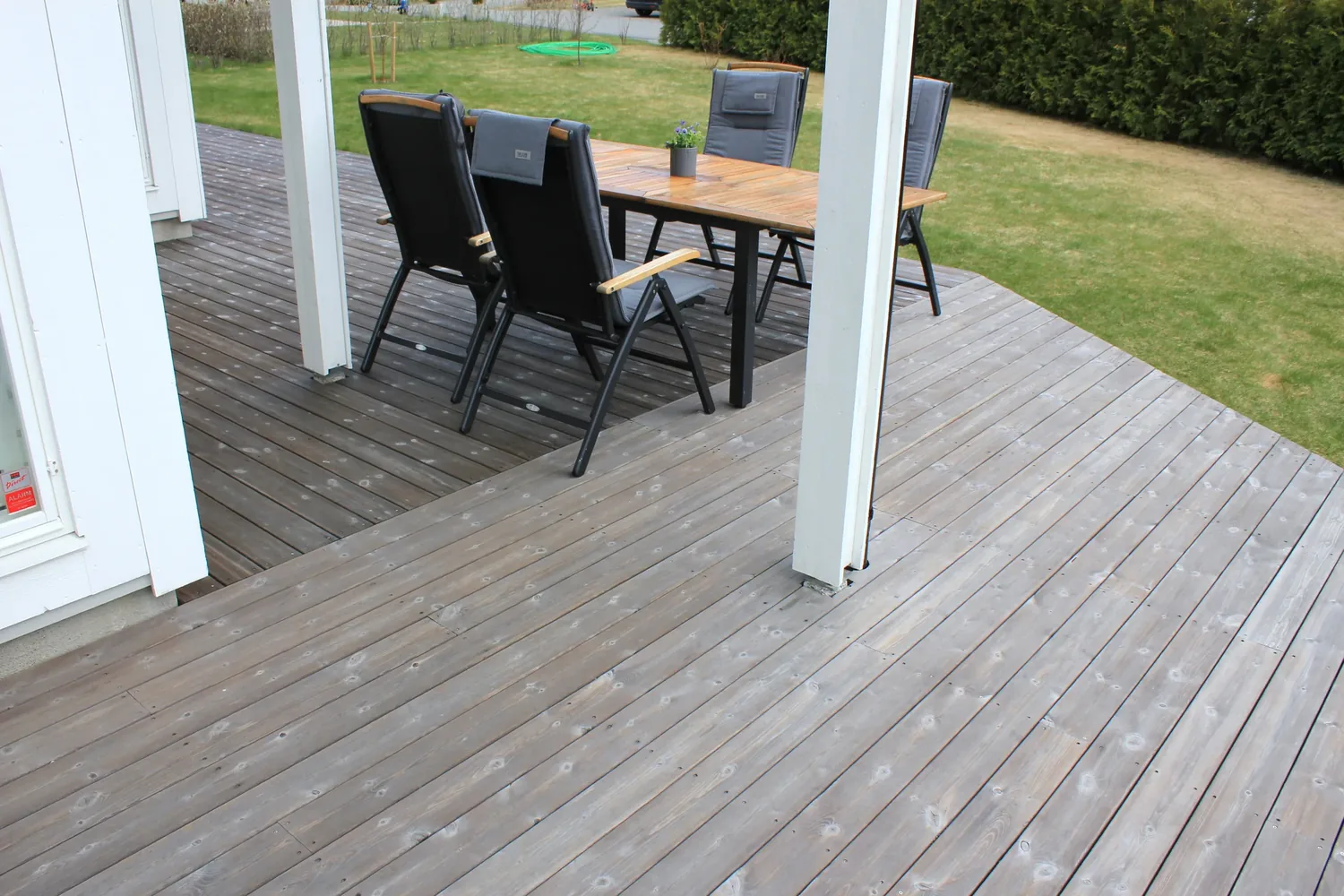
Photographs from Quest jobs, and where a stage of this trade is not in the camera roll yet, a licensed stock photograph marked as one.
— How it runs
How we approach Deck Building
How we approach the work, from the first look to the final details.
Look at the outdoor space
We discuss how you will use the deck and where it sits in the afternoon sun.
Choose the layout and material
We work through colour, shade and the upkeep of composite or timber decking.
Build for movement
We follow the decking system requirements for gaps and fastening.
Check the finished space
We walk through the deck and the agreed details with you.
Make the deck usable in Arizona sun
The first question is when you will use the deck and where the afternoon sun will fall. Colour and shade make a practical difference to how the surface feels, so we consider them alongside the layout and decking material.
Composite decking needs room to move as temperatures change. We follow the manufacturer's gapping and fastening requirements, and can plan a pergola, ramada or patio cover with the deck rather than leave the shade until later.
What we account for
Shade and afternoon sun considered alongside the decking.
Material choices discussed with their maintenance needs.
Gaps and fasteners set to the manufacturer requirements.
Deck and shade structure can be planned together.
— FAQs
Deck Building Services FAQ
Addressing your deck building questions and concerns.
Does composite decking get too hot in Arizona?
Any decking gets hot in direct Arizona sun, composite included, and lighter colours run cooler than dark ones. It is a real consideration here and worth designing around rather than ignoring — shade over the deck, colour choice, and where the deck sits relative to afternoon sun all make more practical difference than the material brand does.
Why composite rather than wood?
In this climate composite avoids the splitting, cupping and annual maintenance that timber demands under sustained ultraviolet and very low humidity, and it does not feed termites. Timber remains a legitimate choice where the look justifies the upkeep, and we will build either — but we will be straight about what maintaining a timber deck here actually involves.
Do I need a permit for a deck?
It depends on height, size and whether it is attached to the house, and the thresholds vary by jurisdiction. Attached and raised structures generally require one. We check the local rule rather than applying a rule of thumb, because the answer genuinely differs between a city, a small town and an unincorporated county area.
How is a composite deck built for heat movement?
Composite expands and contracts with temperature more than people expect, and every manufacturer publishes gapping and fastening requirements that exist for exactly that reason. Arizona's daily temperature swing makes following them essential rather than optional. A deck laid tight because it looked neater on installation day is a deck that buckles.
Can you build a shade structure over the deck?
Yes, and in this climate it is frequently what makes a deck actually usable. Pergolas, ramadas and patio covers are work we do routinely, and designing the deck and its shade together produces a better result than adding cover to a deck that was never planned for it.
— By city
Deck Building Where You Are
What changes about deck building city by city, written for each one.
— From the build log
Reading on Deck Building
Plan your outdoor space with us
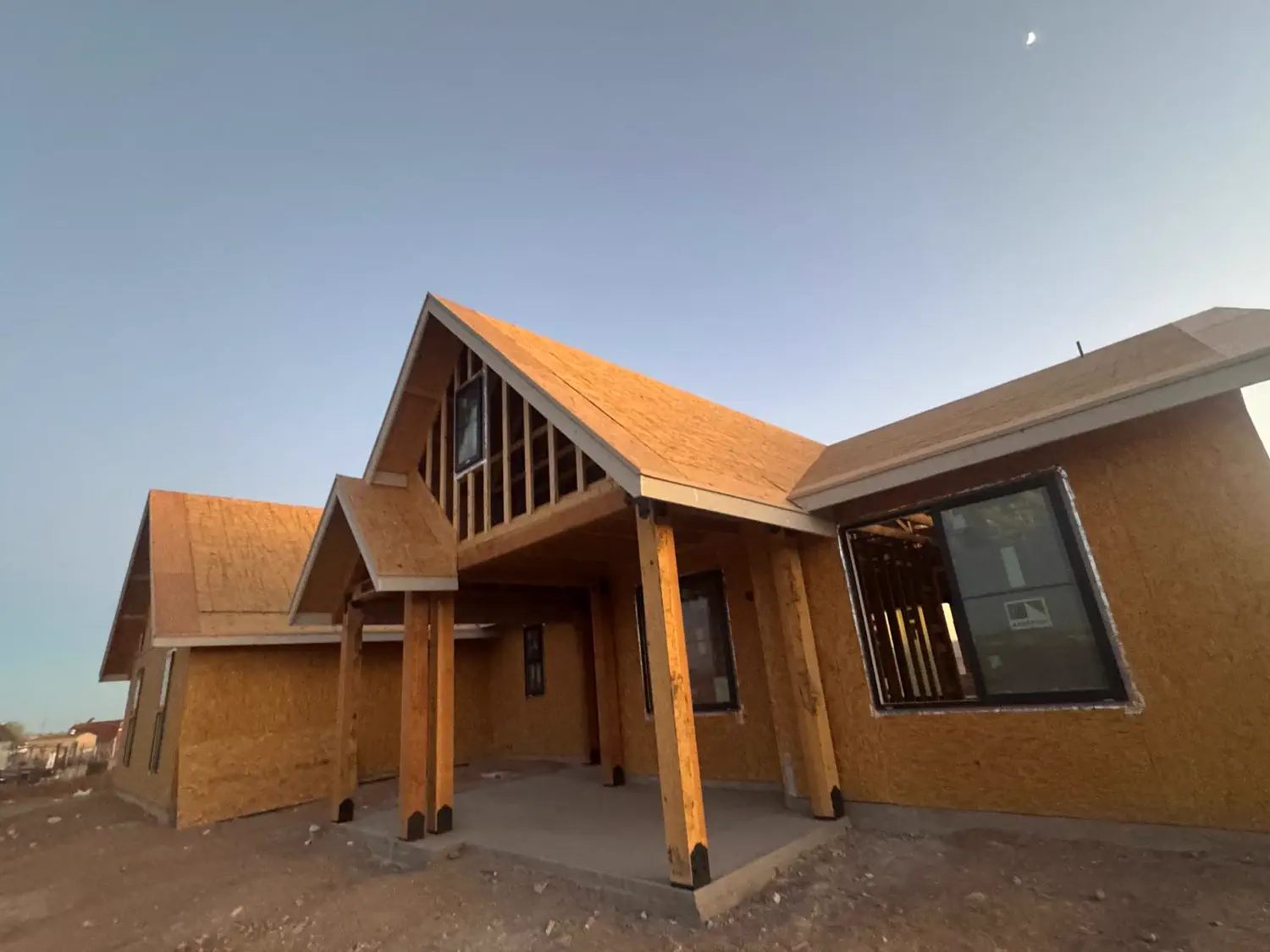
Tell us where the deck will sit and when you want to use it. Shade, material and layout belong in the same conversation.