
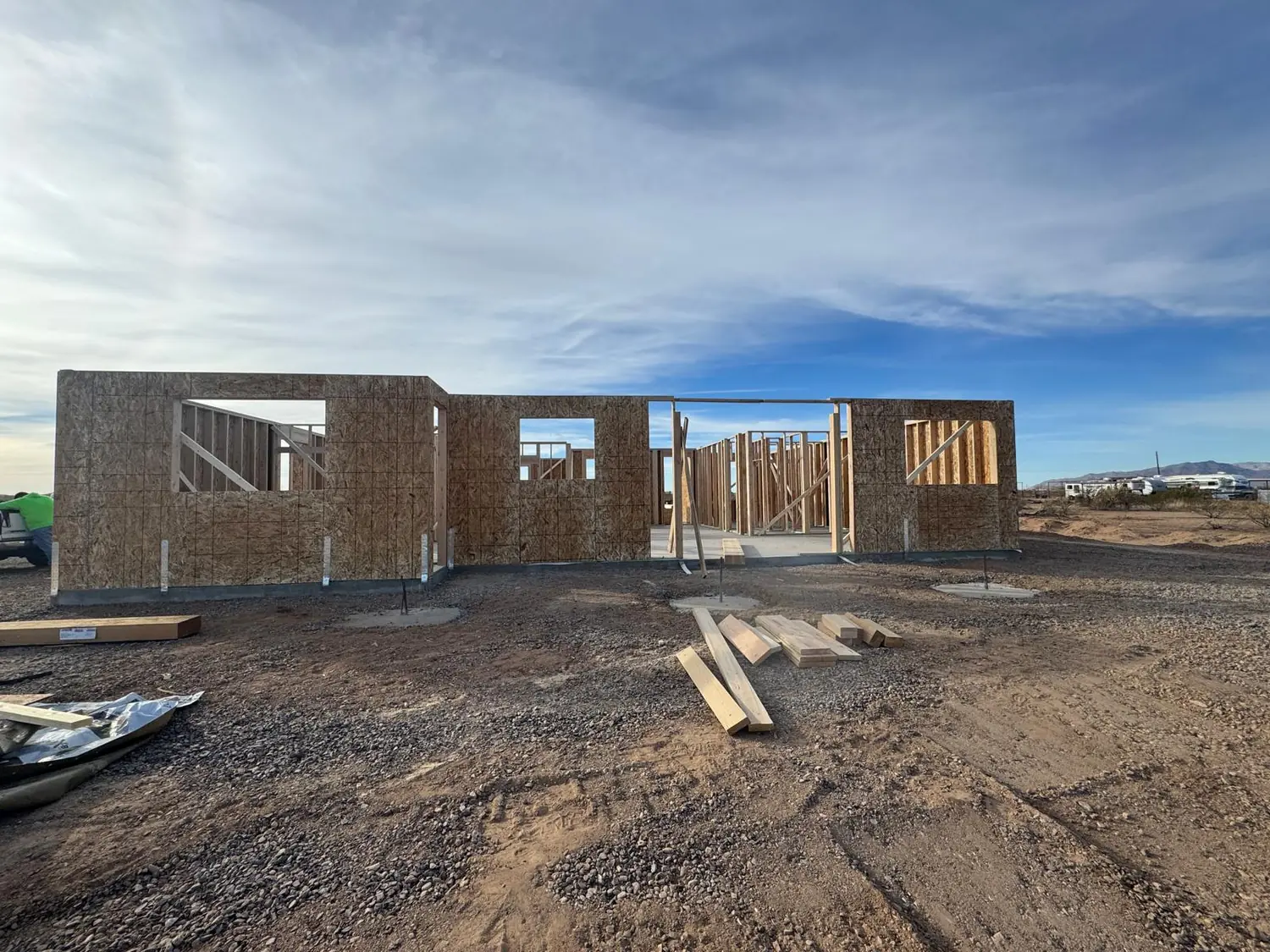
An ADU planned around your property
— How it runs
How we approach ADU
How we approach the work, from the first look to the final details.
Start with the property
We discuss how the ADU will be used and check the local requirements.
Check the services
We establish the utility connections and, where relevant, septic capacity before developing the drawings.
Plan the reviews
We coordinate the design and review stages, including HOA review where it applies.
Build and walk through
We coordinate the build and finish with a walkthrough of the completed details.
Start with the lot and the services
An ADU needs to work as a separate home, with its own kitchen, bathroom and entrance. We start by checking how that will fit on your property and what the local requirements mean for the design.
Utility connections need an answer early. On a property with septic, extra bedrooms may affect the system's capacity. We establish those constraints before drawings, then account for plan review and any HOA review in the programme.
What goes into the job
Local requirements checked before design.
Kitchen, bathroom and entrance planned as an independent dwelling.
Utility and septic capacity considered before drawings.
Plan review included in the project schedule.
— On the job
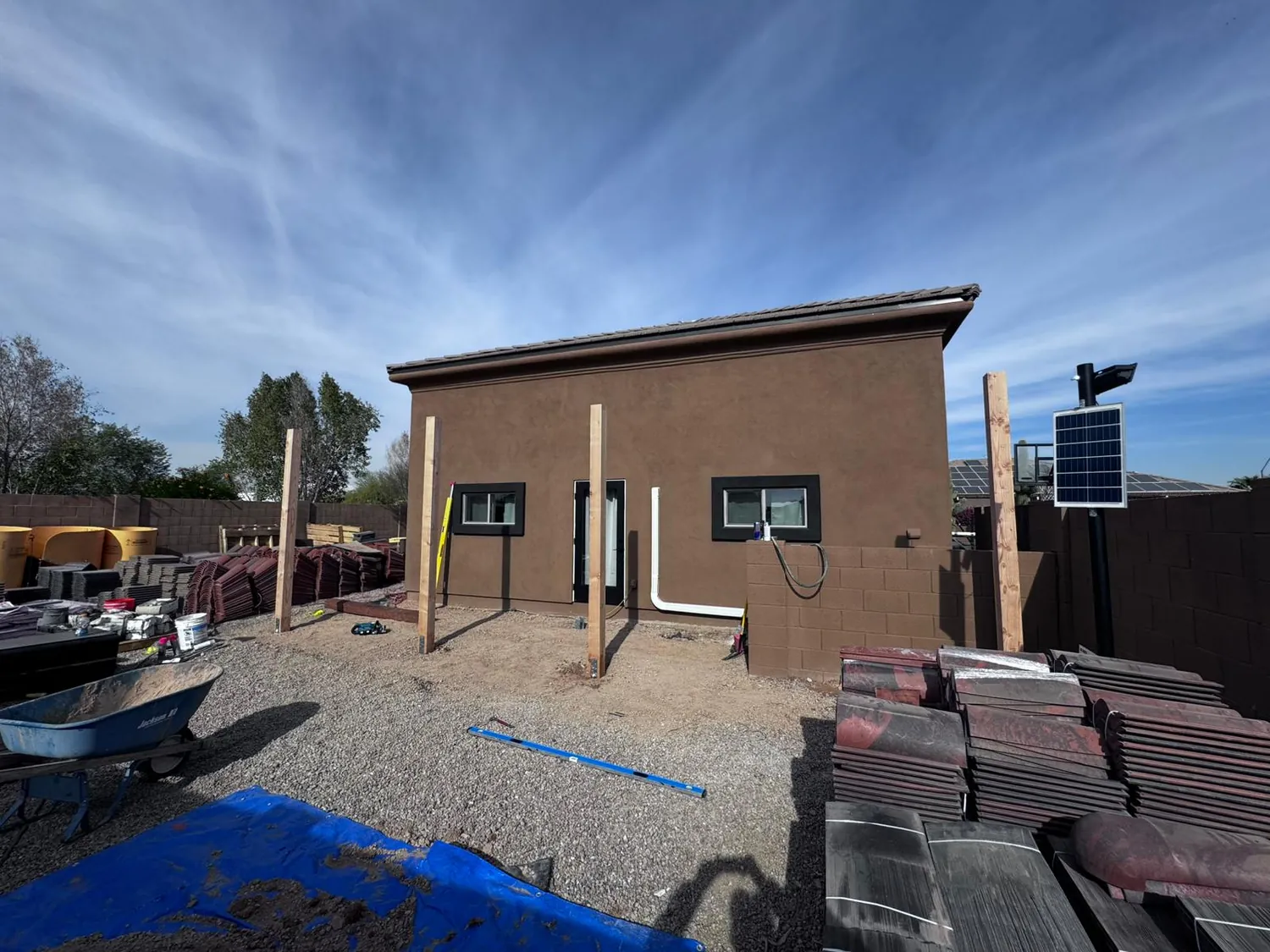
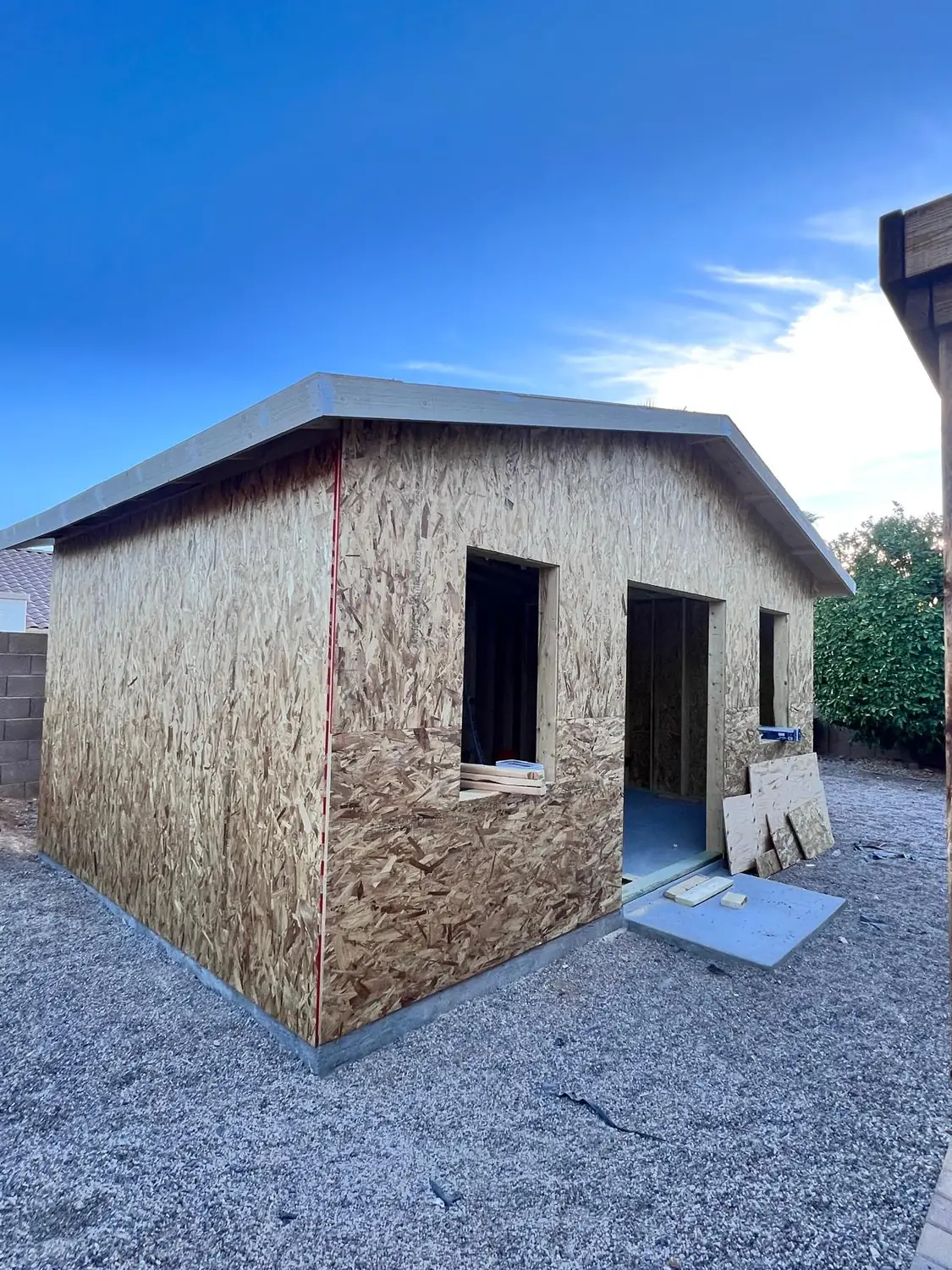
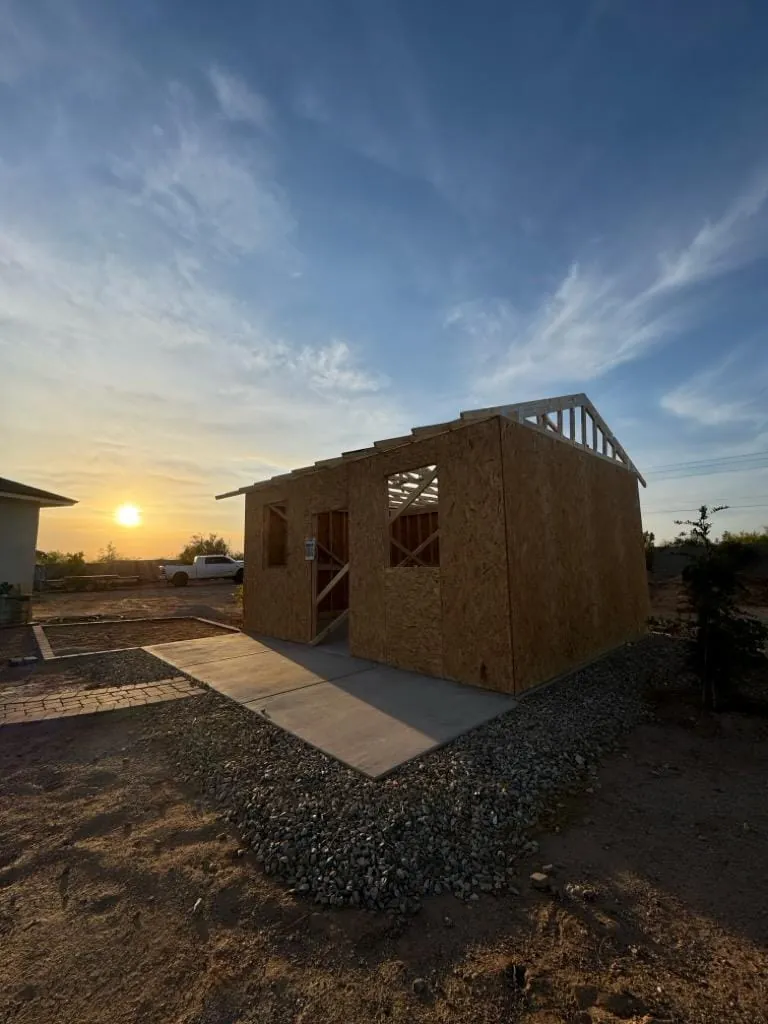
ADU Work We Have Photographed
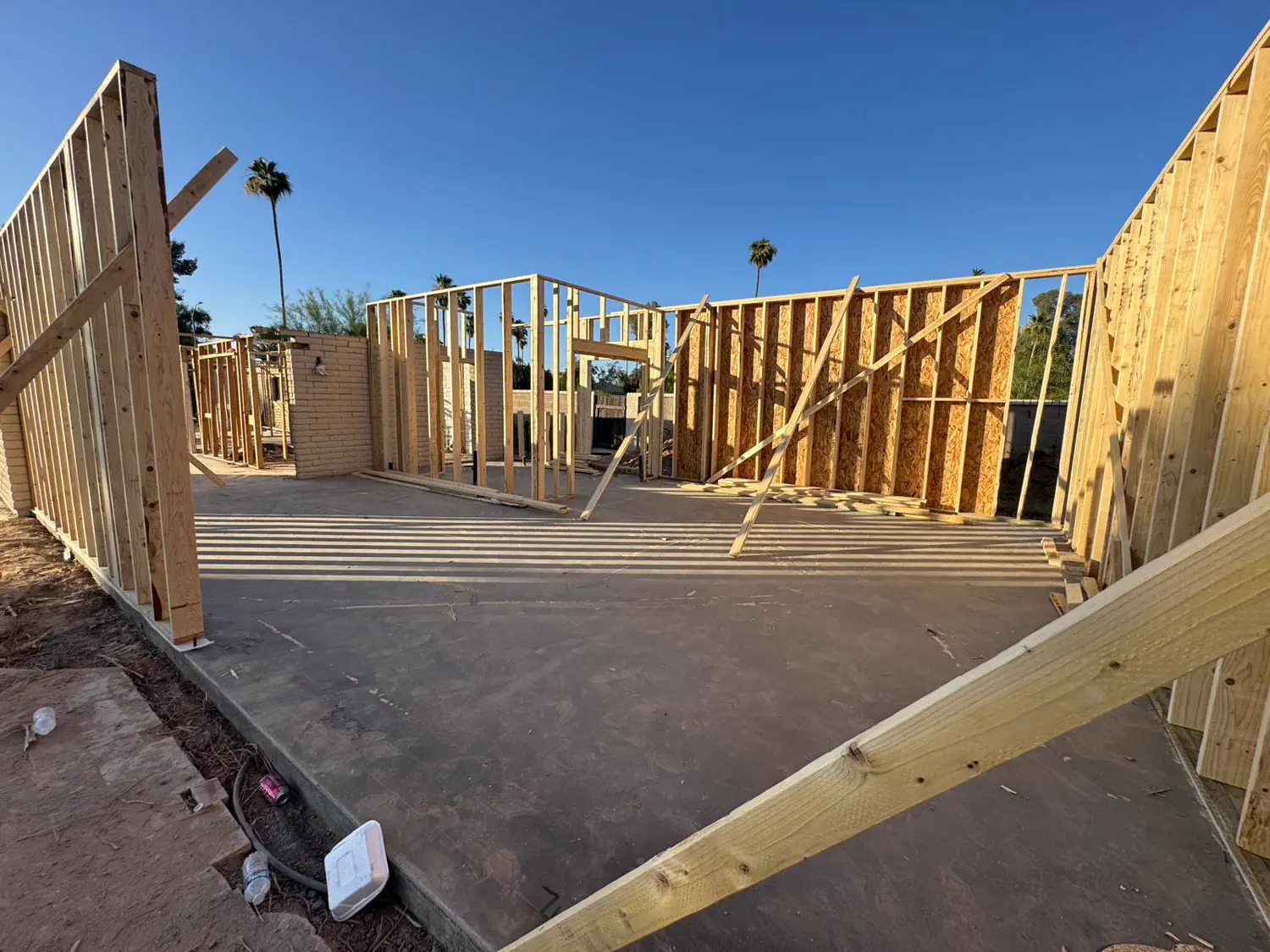
Photographs from Quest jobs. Where a stage of this trade is not in the camera roll yet, the nearest one is, and the caption says what it shows.
— FAQs
ADU Services FAQ
Addressing your ADU questions and concerns.
Can I build an ADU on my property in Arizona?
In most of the cities we serve, yes. Arizona House Bill 2720 was signed in May 2024 and took effect on 1 January 2025. It requires municipalities with 75,000 or more residents to allow at least one attached and one detached accessory dwelling unit on single-family residential lots. Phoenix, Mesa, Chandler, Glendale, Scottsdale, Gilbert, Tempe, Peoria, Surprise, Avondale, Goodyear, Buckeye, Queen Creek, Maricopa and San Tan Valley all clear that threshold. Smaller towns are not covered by the mandate and set their own rules, so we check the local ordinance before designing anything.
What is the difference between an ADU and a casita?
In Arizona the words are used loosely and often interchangeably. The practical distinction is that an ADU is a complete independent dwelling with its own kitchen, bathroom and entrance, and can normally be rented. A casita is often a guest suite without a full kitchen, which usually places it in a different permitting category. Which one you are actually building changes the permit, the utility connections and what you may legally do with it, so it is worth settling at the first conversation rather than at inspection.
Does an ADU have to match my house?
Under HB 2720 a city cannot impose development standards on an ADU that are more restrictive than those already applying to single-family homes in that zone, and height limits must match those for the main structure. Design and material matching requirements vary by jurisdiction, and an HOA can still enforce its own architectural review separately from the city. We submit both together rather than in sequence.
Do I need a separate utility connection for an ADU?
It depends on the design and the jurisdiction. Some ADUs run off the existing house services, others need their own meter, and on a property using septic rather than sewer the added bedrooms can push the system beyond its designed capacity. That last one is the constraint people find latest and dislike most, so we establish the septic and service position before drawings are worth paying for.
How long does an ADU take to build?
The build itself is the predictable part; the review is not. Plan review timelines differ substantially between a large city department and a small town or county office, and an HOA committee adds its own cycle on top. We give you a programme with the review window built into it rather than a construction duration that assumes paperwork takes no time.
— By city
ADU Where You Are
What changes about ADU city by city, written for each one.
Tell us what you want the extra home to do
Tell us your city, how you want to use the ADU and what is already on the lot. That gives us a place to start.