
Stucco repairs that start with the cause
— How it runs
How we approach Stucco
How we approach the work, from the first look to the final details.
Work out why it cracked
We look at the cracking and the substrate before deciding what the repair needs.
Agree the system and texture
We select the approach for the wall and test a sample for you to review.
Prepare and apply
We prepare the substrate and carry out the agreed stucco work.
Review the repaired surface
We look at the finished texture and the completed details with you.
Find out why the finish is failing
A fine hairline crack and a crack that keeps reopening need different attention. We look at the cause before proposing a repair or recoat, so a new finish does not simply cover the same problem.
For a texture match, we test a sample on the wall for you to review. We choose the stucco system for the substrate and exposure, and prepare block and framed walls for the work each one needs.
What goes into the job
Cracking assessed before a recoat is proposed.
Texture sampled on the wall before the elevation.
The system selected for the substrate and exposure.
Block and framed walls given the preparation they need.
— On the job
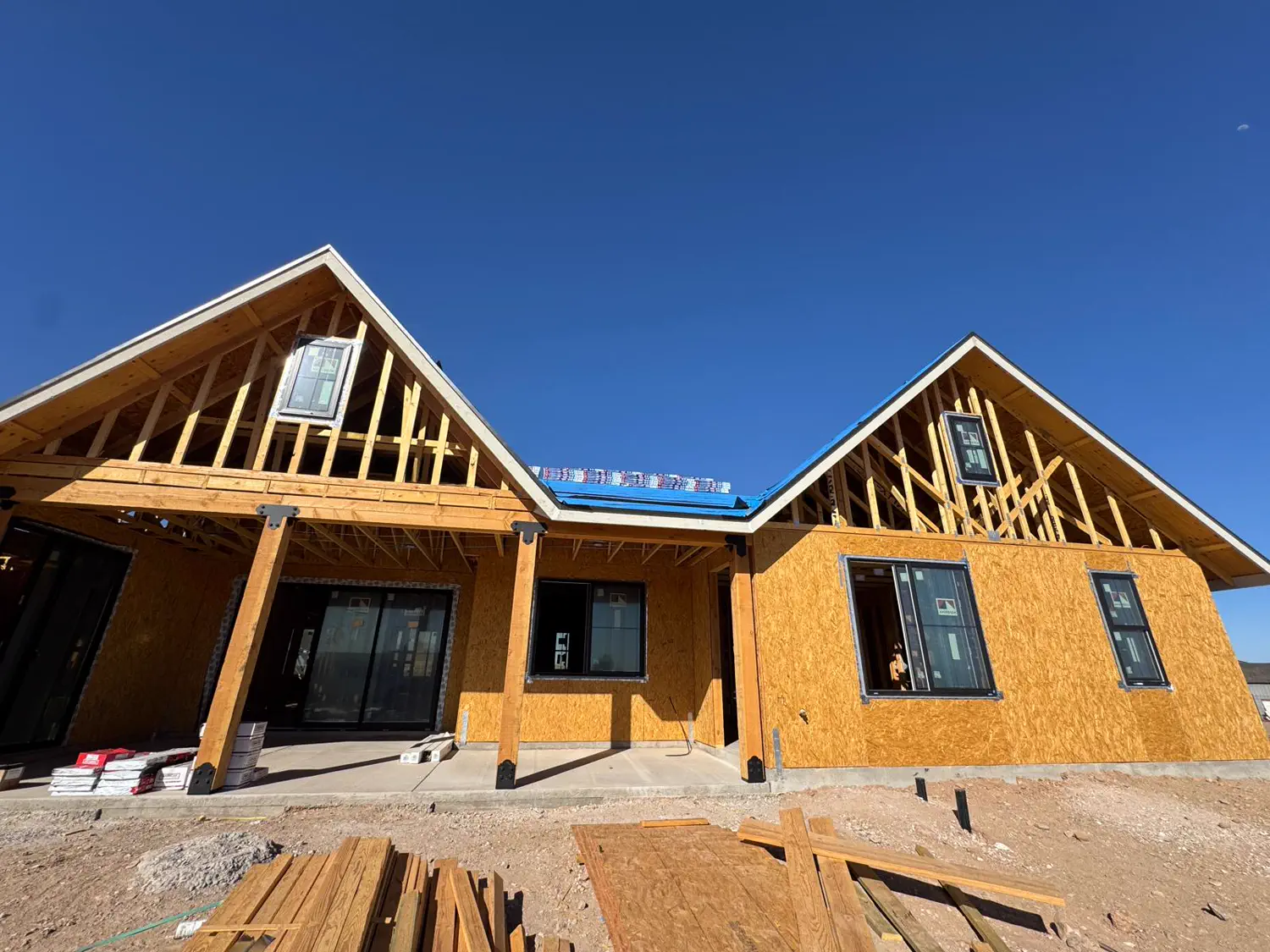
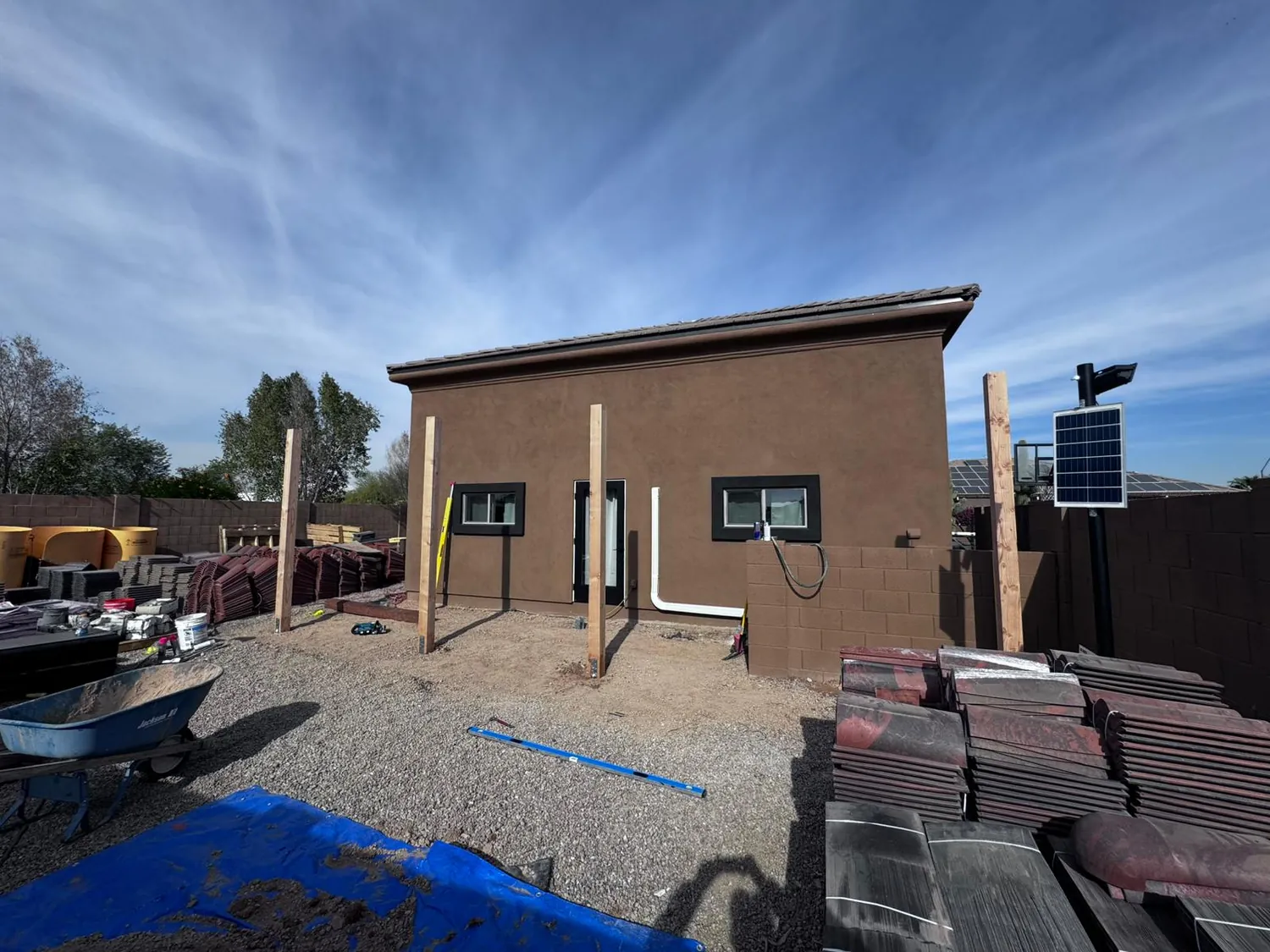
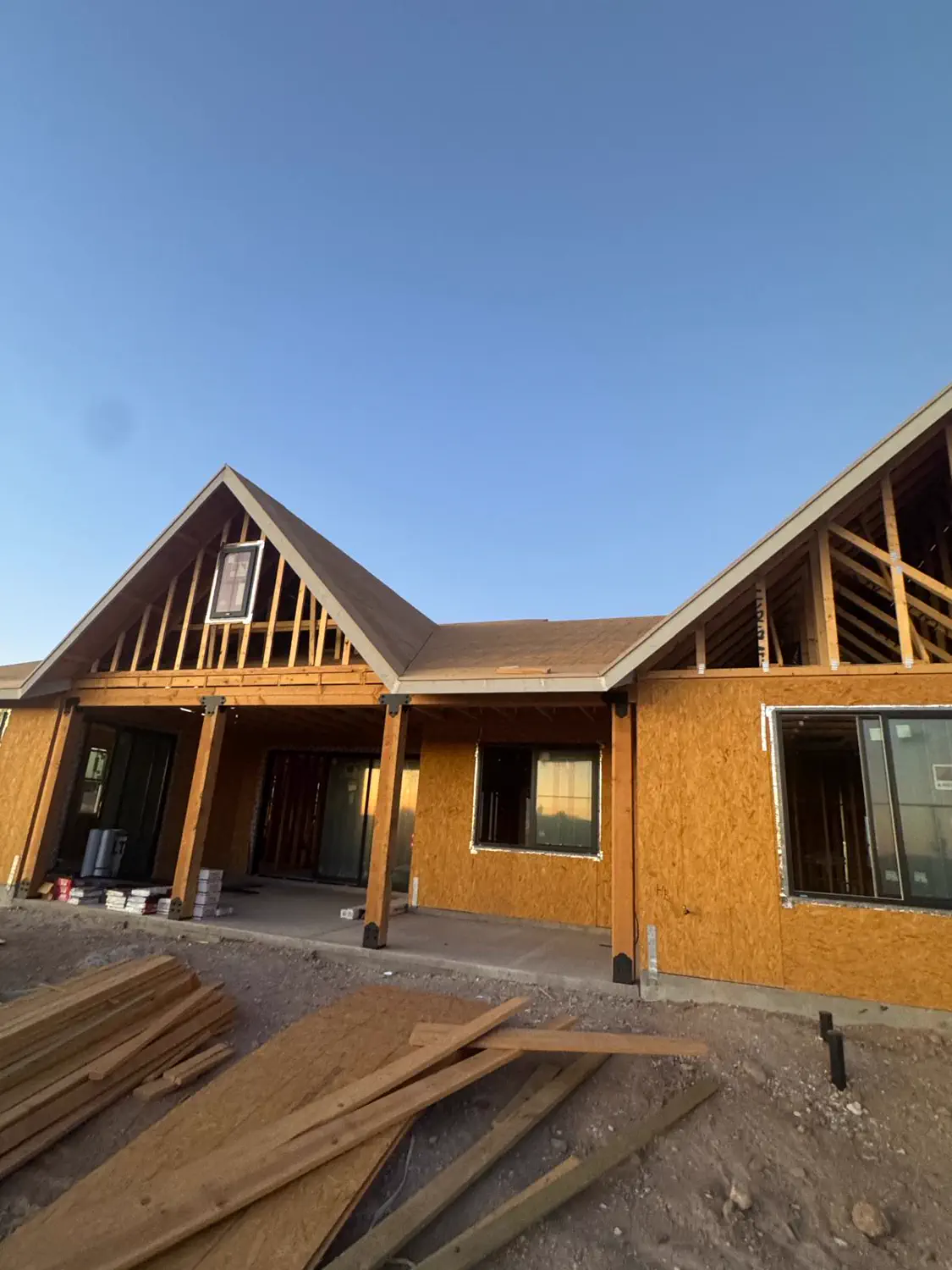
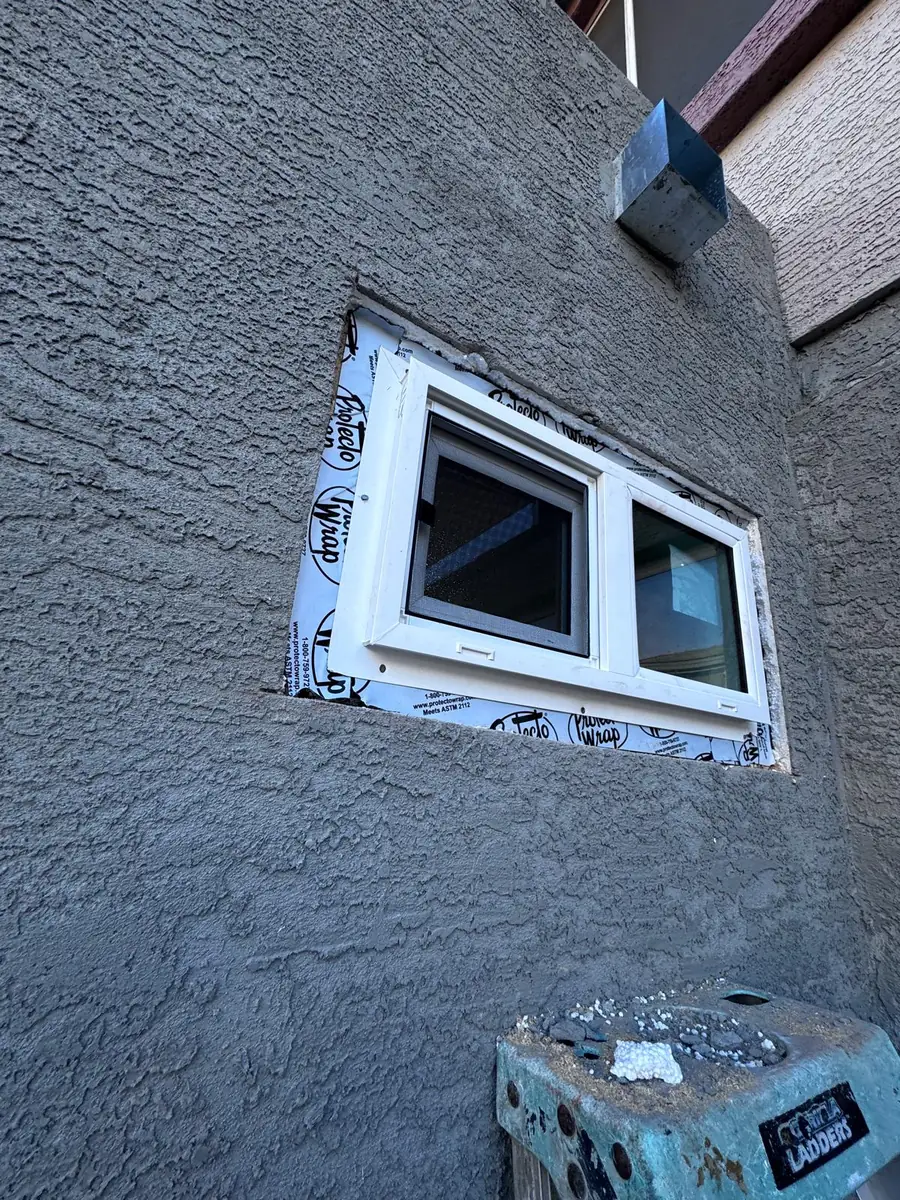
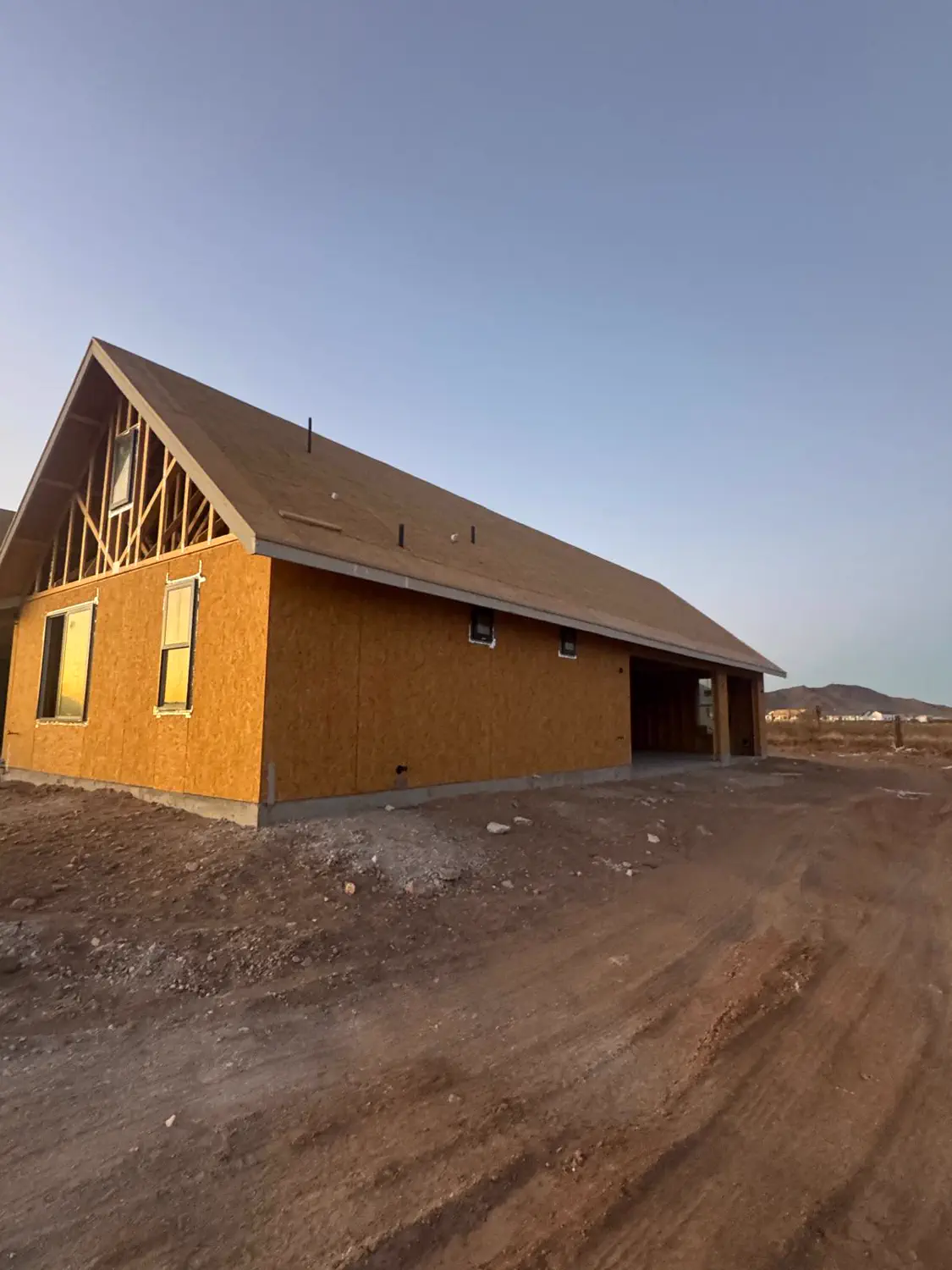
Stucco Work We Have Photographed
Photographs from Quest jobs. Where a stage of this trade is not in the camera roll yet, the nearest one is, and the caption says what it shows.
— FAQs
Stucco Services FAQ
Addressing your stucco questions and concerns.
Why does my stucco keep cracking?
Fine hairline cracking is normal in stucco and is not usually a structural problem — it comes from ordinary movement and from the material curing. Cracks that are wide, that step diagonally from a window or door corner, or that keep reopening after repair are a different matter and usually point to movement in the structure or the substrate underneath. We work out which you have before selling you a recoat that will crack again.
Can you match my existing stucco texture?
Usually, and it is genuinely a skill rather than a product choice. Matching a texture that has weathered for twenty or forty years is a different job from matching it new — the finish has faded, the aggregate has worn, and a perfect fresh match will read as a patch. We test on a sample area and get you to look at it before committing to the elevation.
What is the difference between traditional and one-coat stucco?
Traditional three-coat stucco is applied in scratch, brown and finish coats over lath, and is the more robust system. One-coat systems are applied in fewer passes over foam board and go on faster and cheaper. Both are used across Arizona. Which is appropriate depends on the substrate, the exposure and what is already on the building — we do not have a single house answer.
How often does stucco need repainting?
It varies with exposure, colour and the coating used. West and south elevations in Arizona take far more ultraviolet than north-facing walls, so a house rarely wears evenly and often needs one elevation attended to well before the rest. Elastomeric coatings hold up better against that exposure than standard paint and bridge fine cracking, at higher cost.
Can stucco go over block?
Yes, and stucco over masonry block is extremely common in older Phoenix-area housing. It is a different preparation from stucco over frame and lath — the block has to be sound and properly prepared, and a coating applied over a wall that is holding moisture will fail regardless of how well it goes on.
— By city
Stucco Where You Are
What changes about stucco city by city, written for each one.
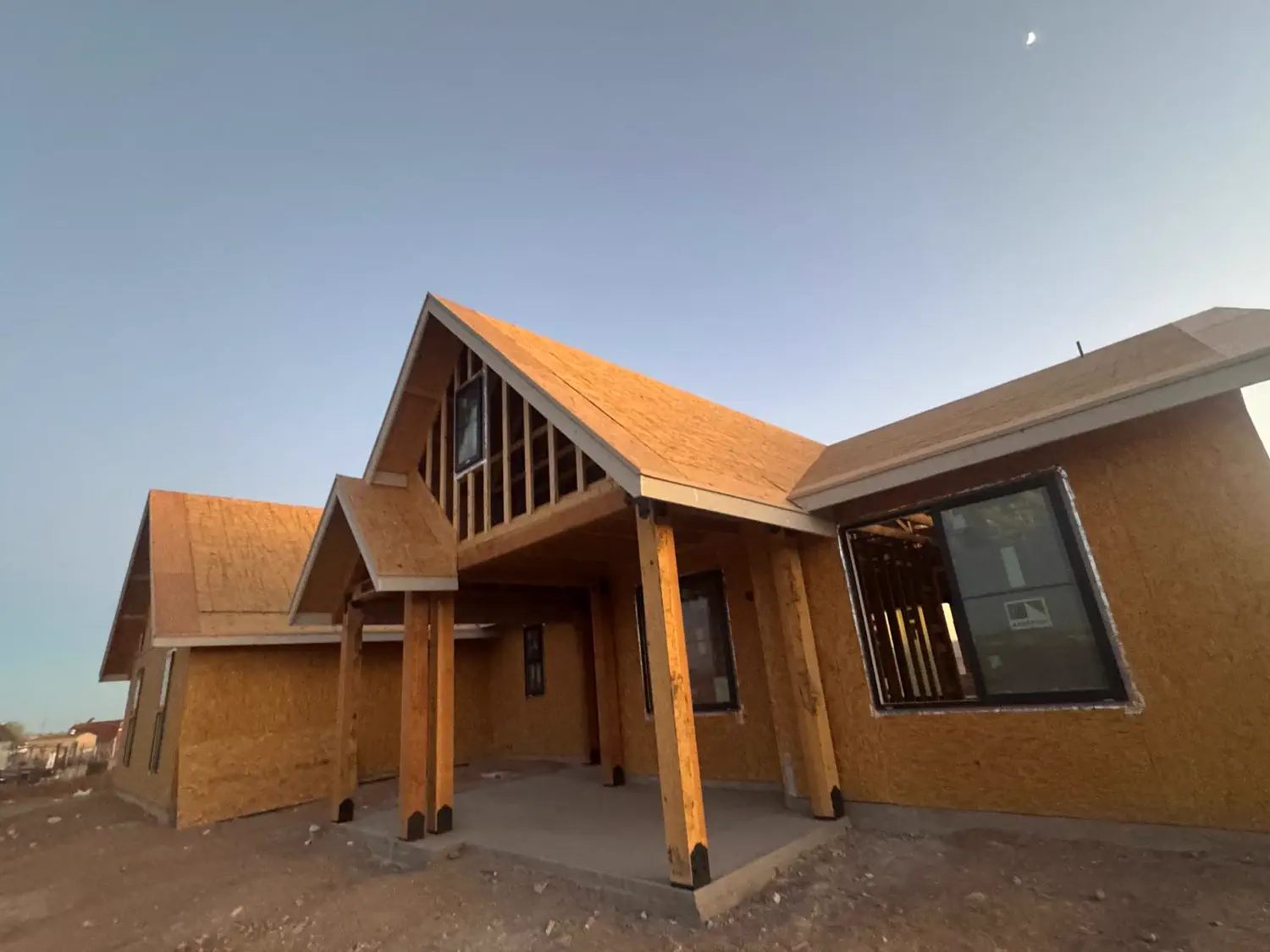
Tell us what needs to match
Cracking, a patch that stands out or a new exterior? Tell us what the wall is doing and what needs to match.