
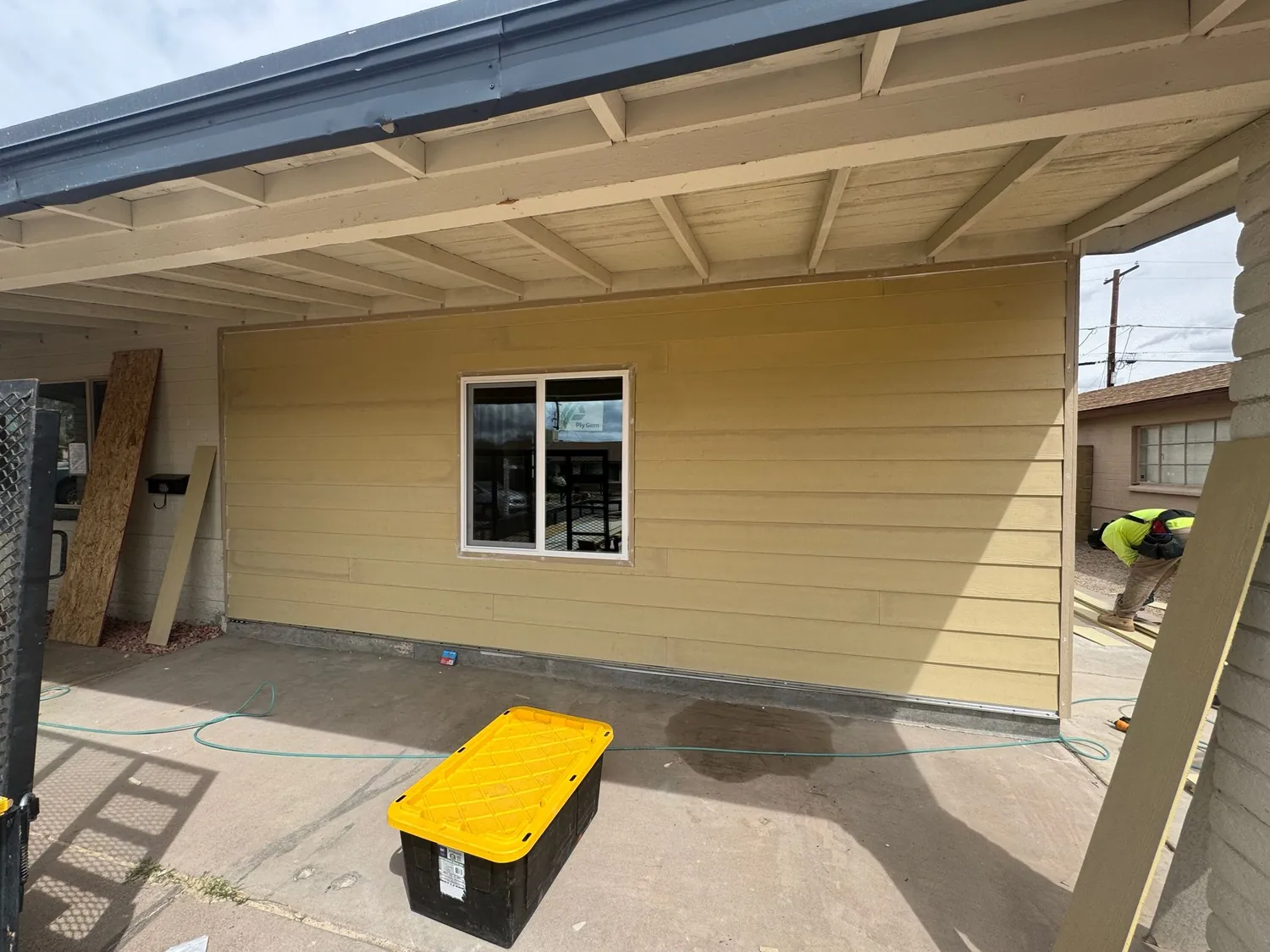
Siding detailed for the wall behind it
— On the job
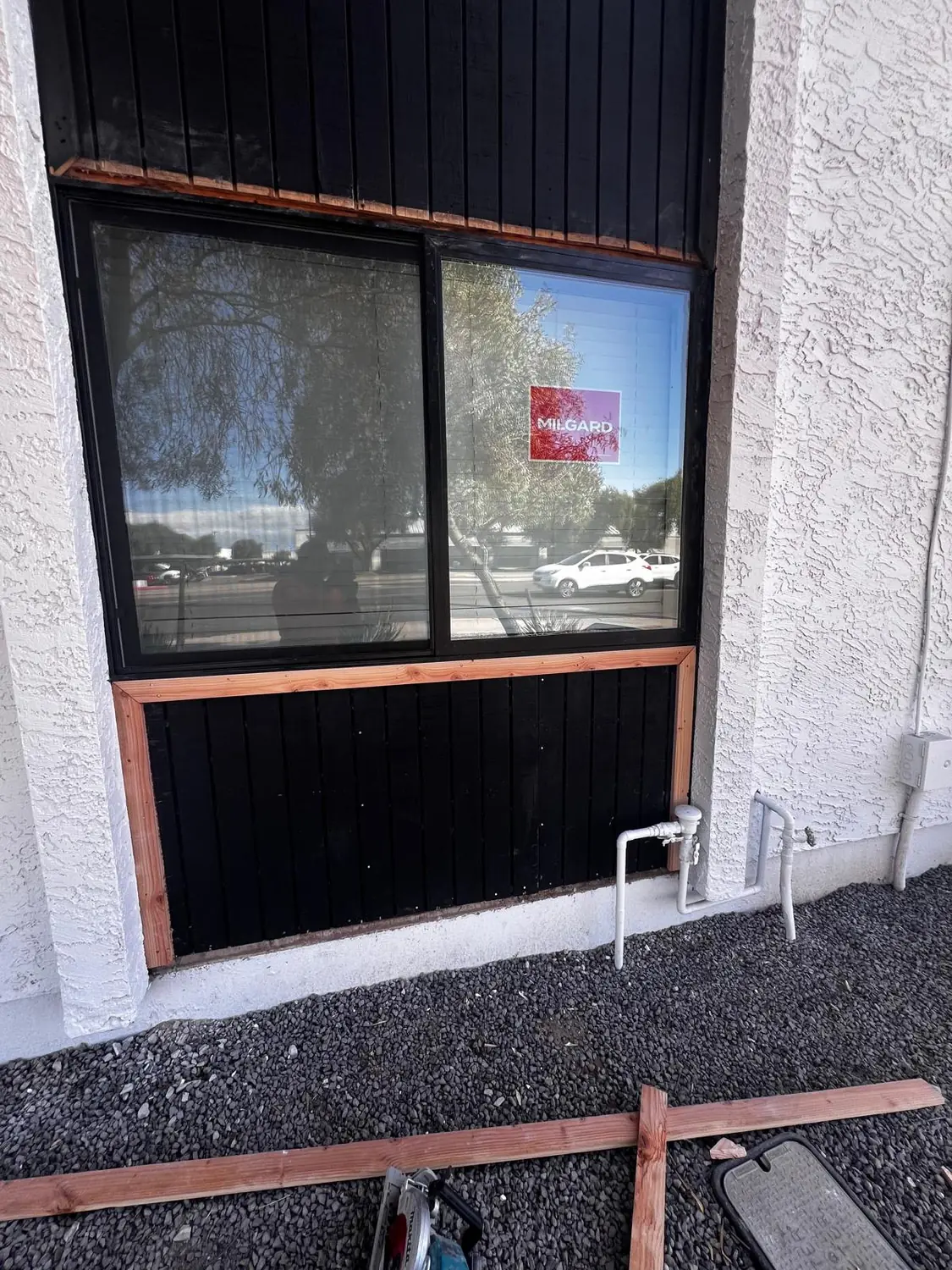
What Siding Work Looks Like
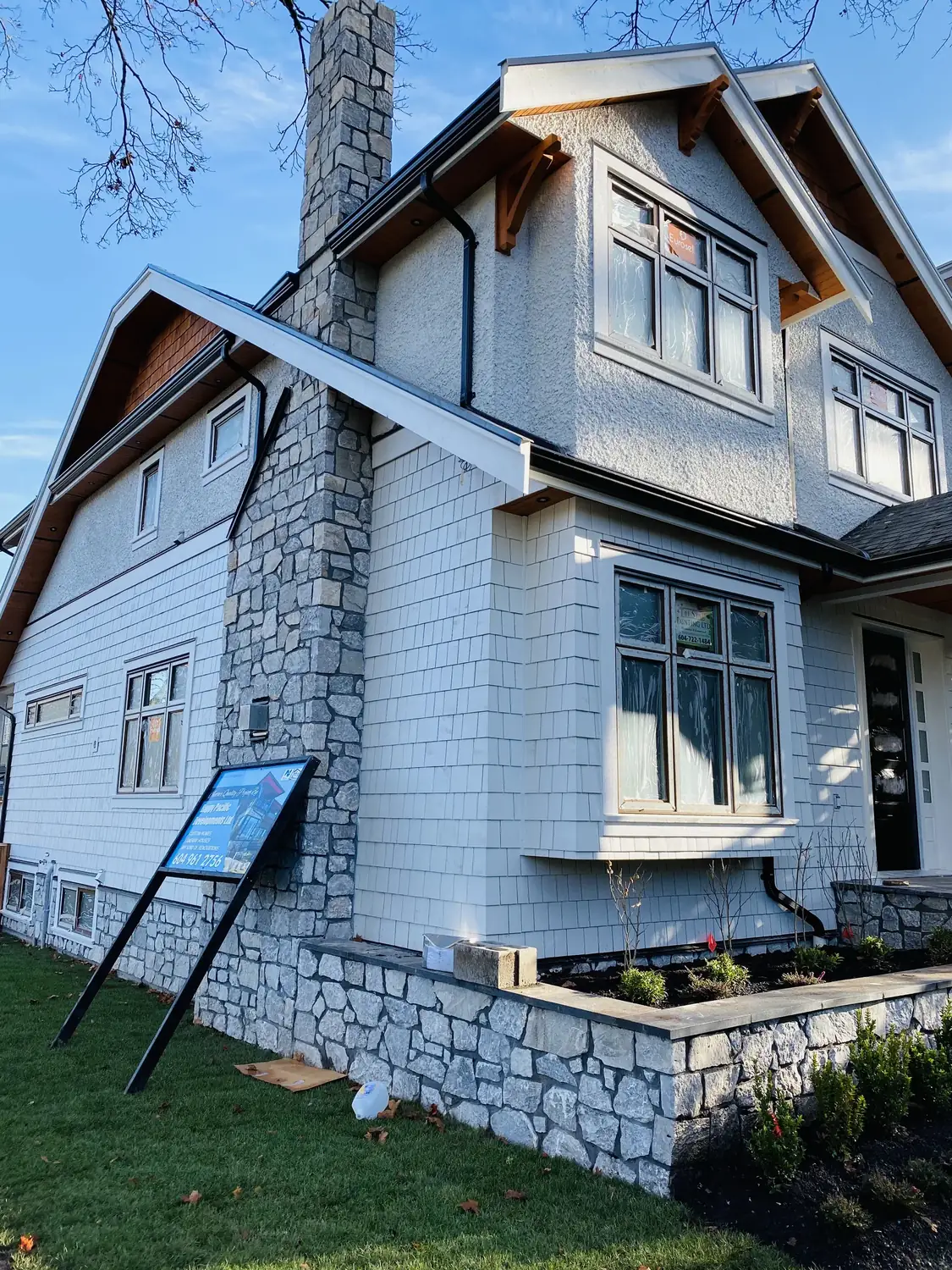
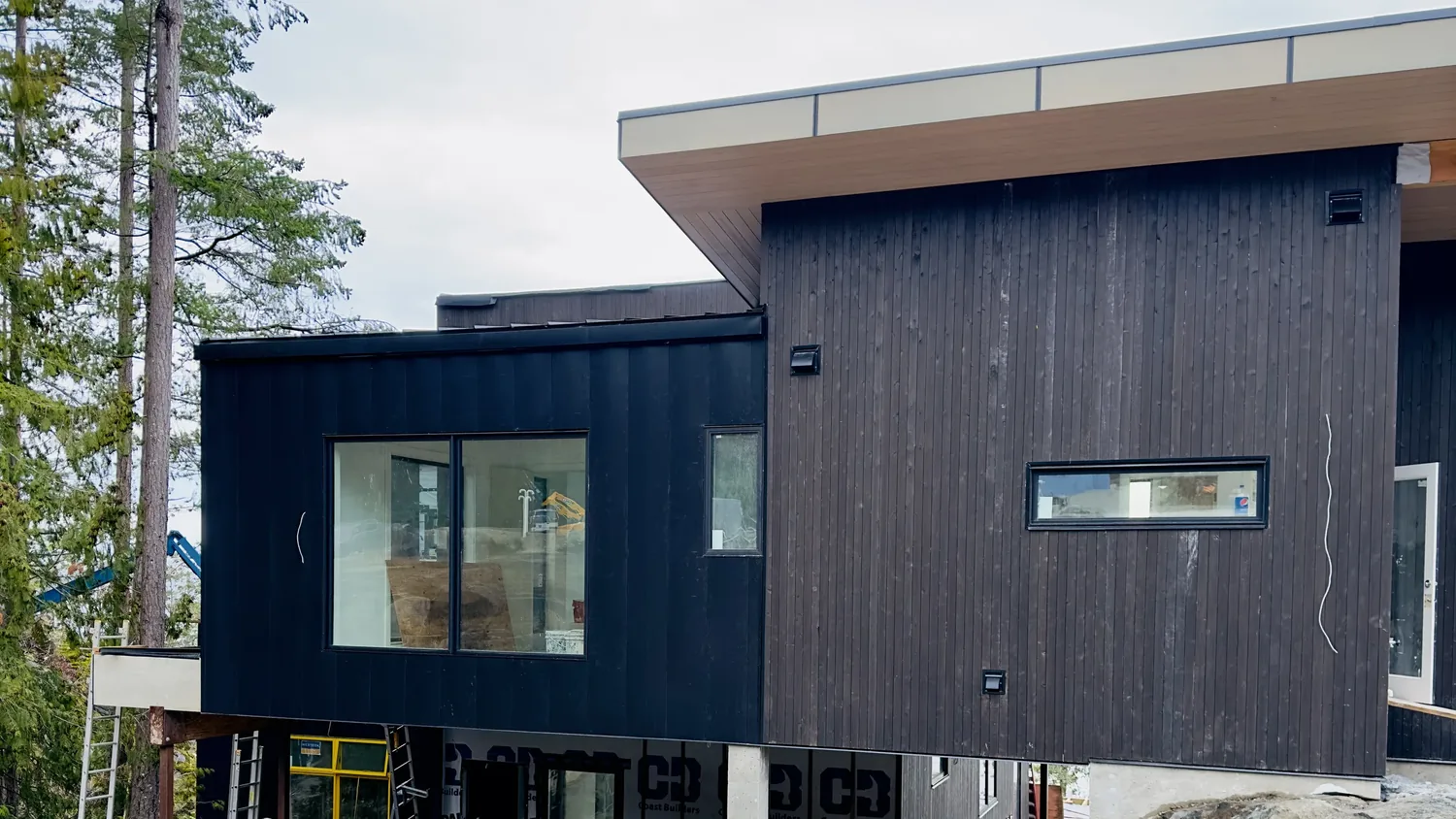
Photographs from Quest jobs, and where a stage of this trade is not in the camera roll yet, a licensed stock photograph marked as one.
— How it runs
How we approach Siding
How we approach the work, from the first look to the final details.
Look behind the finish
We establish the condition of the wall and whether the proposed siding fits the assembly.
Choose the system
We discuss the material, exposure and maintenance before agreeing the scope.
Fit for movement
We follow the manufacturer requirements for gaps, fasteners and joints.
Check the junctions
We review the finished siding and the connections to adjoining stucco and trim.
Check the wall behind the new finish
Putting new siding over an existing wall starts with finding out what is behind it. We assess the wall assembly before deciding whether the proposed system can be fixed to it and how the wall will manage moisture.
We discuss materials in terms of exposure and upkeep, then follow the system's requirements for gaps, fasteners and joints. Where siding meets stucco, we plan the junction as part of the same job.
What we account for
The wall assembly checked before covering existing stucco.
Materials discussed in terms of Arizona heat and upkeep.
Gaps and fasteners set for the system being installed.
Siding and stucco junctions planned as one job.
— FAQs
Siding Services FAQ
Addressing your siding questions and concerns.
Is siding common in Arizona?
Less common than stucco, which dominates Phoenix-area housing, but it is used — as an accent on gables and elevations, on contemporary designs, and on homes where an owner wants a look stucco cannot give. Because it is less common here, it is worth using someone who installs it regularly rather than someone treating it as an occasional job.
What siding material holds up best in Arizona heat?
Fibre cement is the usual choice for this climate: it is dimensionally stable, does not feed termites and holds a coating well against ultraviolet. Vinyl is less suited to the sustained heat and direct sun on west-facing elevations here. Wood is used where the look justifies the maintenance, and it does need real maintenance in this climate.
Can siding go over existing stucco?
Sometimes, but it depends entirely on what is behind the stucco and whether the wall assembly can take the additional fixing and the change in how it manages moisture. This is a question to answer by opening a section up and looking, not by quoting from the kerb.
How is siding fixed for expansion in the heat?
Every siding system has manufacturer requirements for gaps, fastener placement and joint treatment that exist specifically so the material can move with temperature. Arizona's daily swing makes those requirements matter more here, not less. Siding fixed tight because it looked neater on the day is siding that buckles in its first summer.
Do you replace siding and stucco together?
Frequently, because many Arizona homes use both — stucco on the main elevations with siding as an accent. Running them as one job means the junction between the two systems is detailed by one team rather than being the seam where two contractors each assume the other handled it.
— By city
Siding Where You Are
What changes about siding city by city, written for each one.
Tell us what is on the wall now
An accent wall or a full exterior change? Tell us what is on the house now and what you want the siding to do.