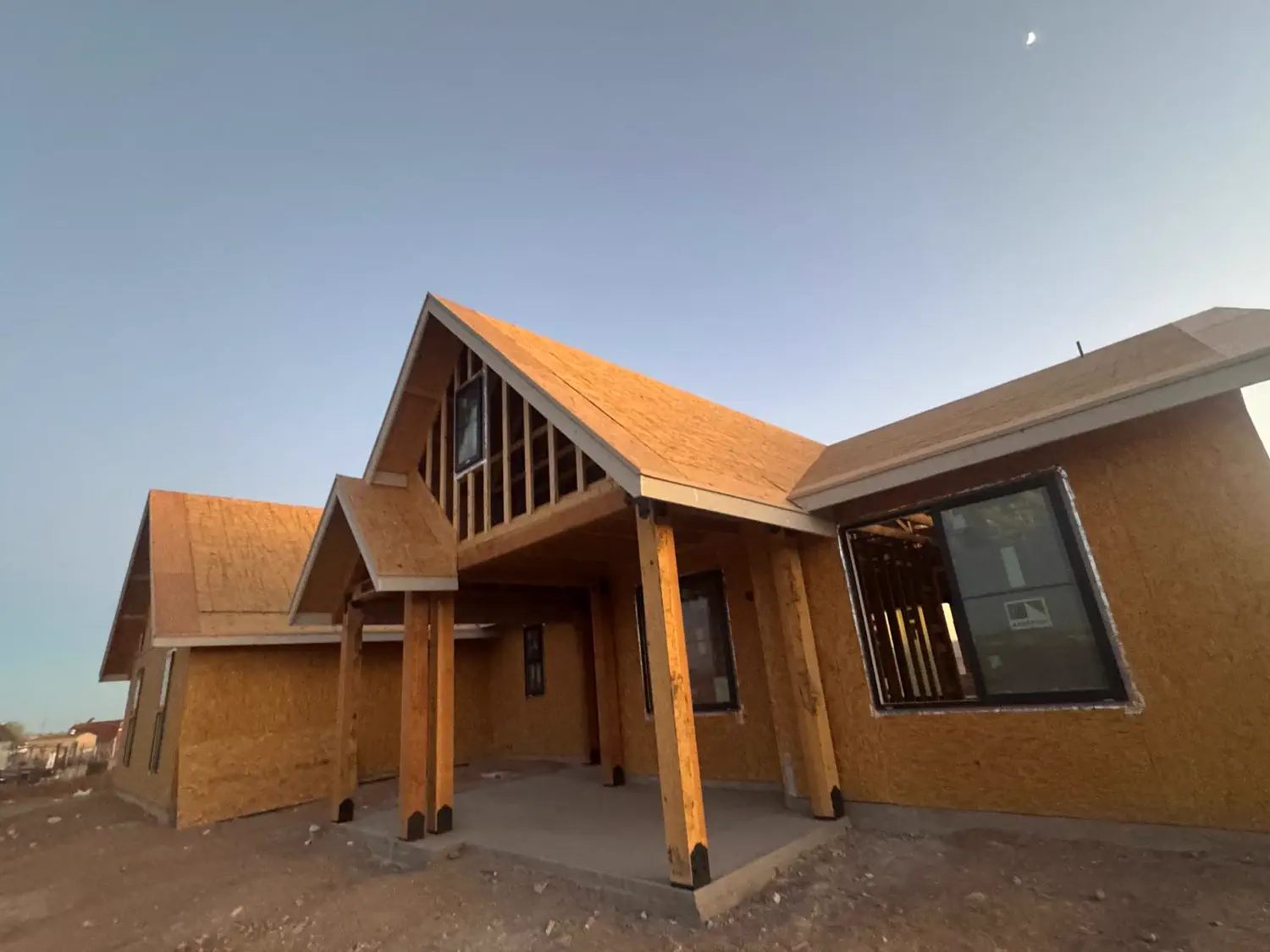
A saw-cut control joint can appear on the same day as a concrete pour. That is not automatically too soon. The cut should wait until the surface is firm enough to avoid tearing, but it should be made before random shrinkage cracks form. The right window depends on the concrete and the weather, so a fixed “wait 24 hours” rule does not fit every slab.
The slab sets the cutting window
The American Concrete Institute's guidance on saw cuts says cuts should be made before random drying-shrinkage cracks develop and when the surface is firm enough not to be damaged by the blade. It gives 4 to 12 hours after placement as a typical range, depending on temperature and weather, and says hot conditions can call for earlier cutting. Treat that as a guide, not a timer for every patio or driveway.
Temperature, wind, sunlight, and the saw method can change what works on a particular pour. Cutting too early can tear or ravel the surface. Waiting too long can mean the concrete cracks before the planned joint is in place. Ask the finisher to explain what they are watching on this slab and how the cut time fits the day's conditions.
Ask about the method and the handoff
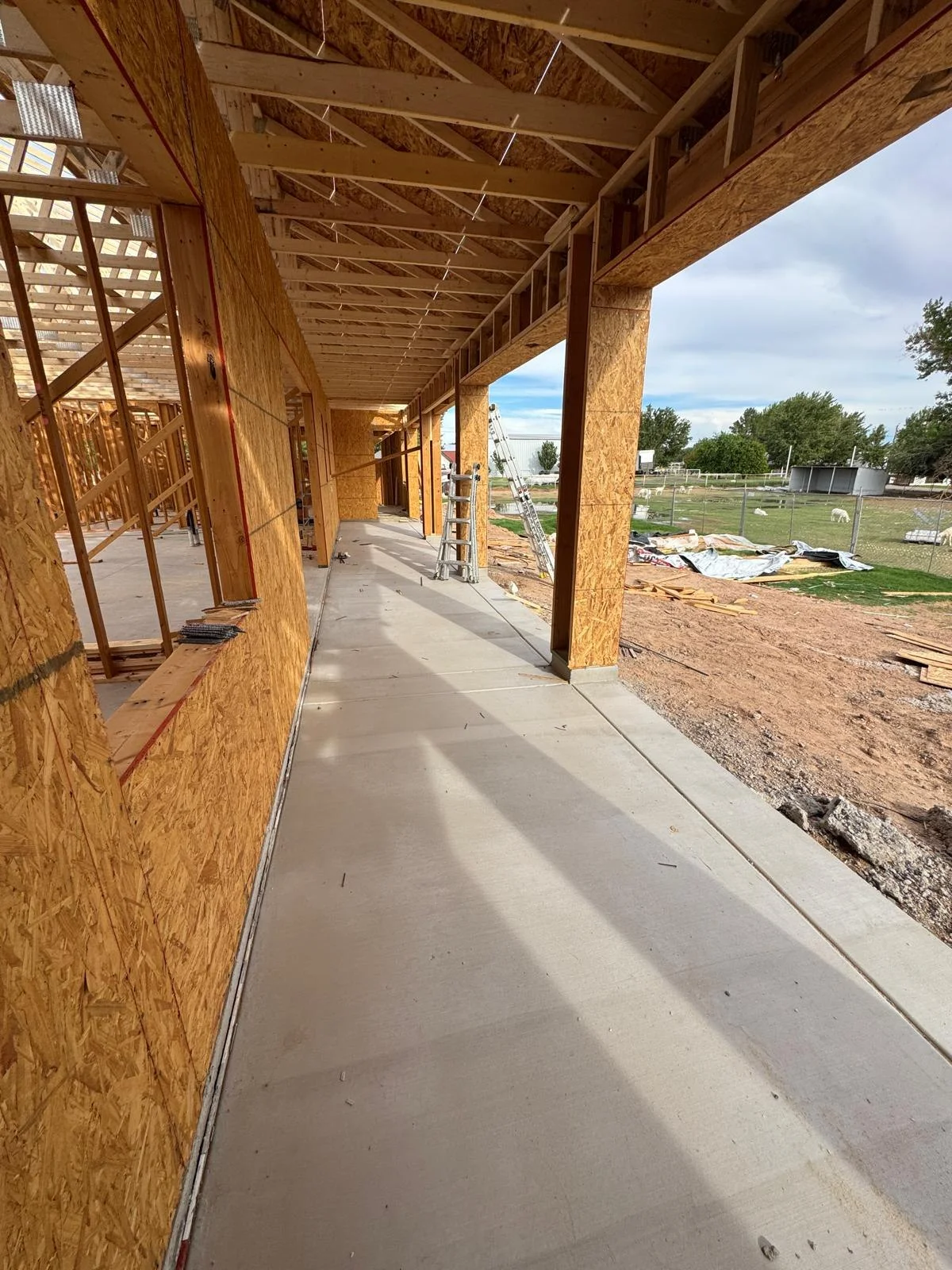
Some joints are tooled into fresh concrete. Others are saw-cut after the surface hardens enough for the chosen saw. Those methods have different timing, so make sure the scope says which one is planned. If saw cuts are being handled as a later visit, ask who is responsible for returning and what conditions could move the window.
Also review the joint layout before placement. The ACI guidance explains that control joints create a weakened plane intended to guide cracking. They do not guarantee a crack-free slab. Confirm that the planned cuts match the agreed layout and project requirements, including where the concrete meets existing work or changes direction.
Questions to settle before concrete arrives
- Are the joints tooled during placement or saw-cut later?
- Who is responsible for making each cut?
- What will the finisher watch to judge when the slab is ready?
- How will heat, wind, or sun affect the planned timing?
- Where can I see the joint layout before the pour?
Timing and layout are separate decisions, and both belong in the work plan. Quest's concrete service includes patios, walkways, and foundations. Our earlier guide explains what to ask for in a concrete patio quote, including ground preparation, drainage, joint layout, and curing.
Do not judge a saw cut by the clock alone. Confirm the method, layout, and condition-based timing with the concrete finisher.