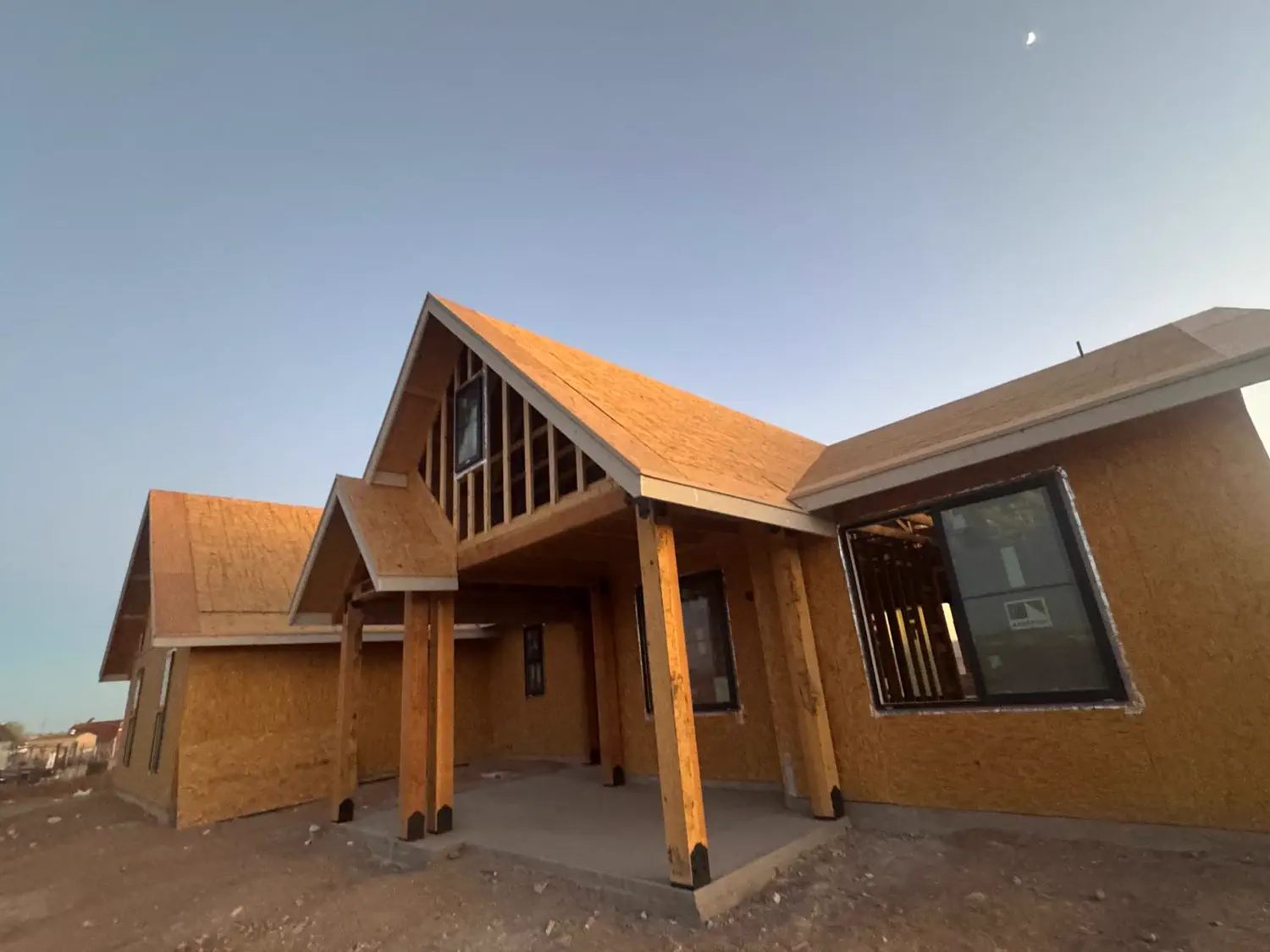
There is no one trim piece or bead of caulk that answers every siding-to-stucco joint. Before new siding covers the wall, ask how the transition connects to the water-resistive barrier behind the finish and where water that gets behind the cladding will drain. This barrier is the layer that helps shed water from the wall.
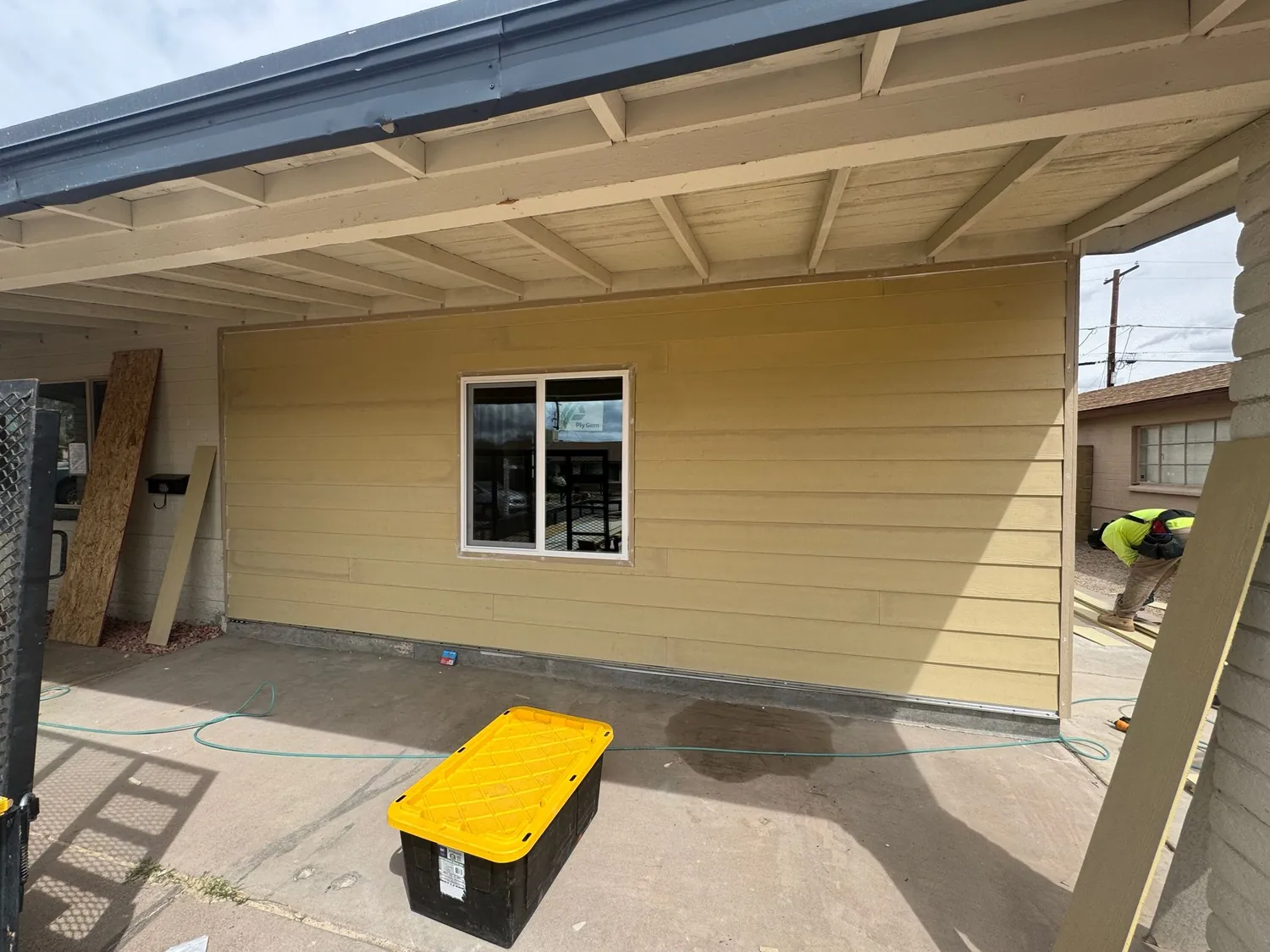
Start with the layer behind the finish
Siding and stucco are the visible surfaces, but the joint has to account for what sits behind them too. Building Science Corporation's flashing guidance explains that flashing protects intersections and connects with the wall's drainage plane. Its basic direction is to move water down and out, not back into the wall.
That is why the transition should be drawn as a sequence, not chosen by appearance alone. Where does the flashing sit? How does the water-resistive barrier connect to it? Which edge sheds over the next surface, and where does that water exit? The correct profile and clearances depend on the siding, stucco assembly, and product instructions. There is no single detail to copy onto every house.
Decide who handles each part
A siding-to-stucco job can cross two scopes. The siding installer may prepare the edge and set trim, while the stucco work has its own termination and finish. Before work starts, have the proposal or drawing identify who supplies and installs the transition flashing, who ties it into the water-resistive layer, and who finishes the stucco edge.
Ask for a photo of the open joint before the siding and trim conceal it. A finished bead can make the surface look continuous, but it does not show whether the layers underneath connect in the intended order. Sealant may belong in a specified joint, but it should not be treated as a substitute for the flashing detail.
Questions to settle before installation
- What siding and stucco systems are being joined?
- Can I see the transition detail and the manufacturer's instructions it follows?
- How is flashing integrated with the water-resistive layer so water drains out?
- Which trade owns each hidden layer, trim piece, and finish edge?
- Will the joint be photographed before it is covered?
Quest's siding work is planned around the wall assembly, heat movement, and adjoining stucco. Its stucco service covers the neighboring finish. The Build Log guide to what happens behind a window in a stucco wall covers another exterior detail worth resolving before the finish closes it in.
Before siding hides the joint, agree on the flashing sequence, drainage path, and which trade is responsible for each layer.